

21 December 2025
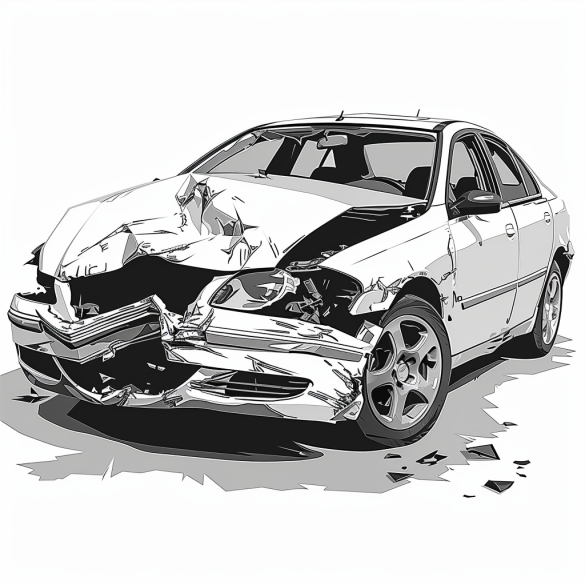
Today’s word is all about things going wrong. The German noun Schaden means damage, harm, or loss - whether you’re talking about a broken phone, a financial hit, or a bruised ego. It’s a word that shows up in insurance claims, everyday frustrations, and even some famous expressions. It’s one of the 1000 most frequently used nouns in German, too!
Schaden is a masculine noun, so the correct article is der - der Schaden. Still fuzzy on gender? Our 5-minute gender video gives you a quick, memorable overview of der, die, and das - and shows you how to start getting them right every time.
You’ll hear Schaden any time something breaks, malfunctions, or goes unexpectedly wrong. It’s also used in idiomatic expressions and insurance language, like Schaden melden (report damage) or Schadenersatz (compensation for damages).
- Was ist passiert?- Ein Wasserrohr ist geplatzt. Großer Schaden im Keller.(“What happened?” - “A water pipe burst. Major damage in the basement.”)
Timo: Oh nein, mein Handy ist runtergefallen!Lina: Ist es kaputt?Timo: Ja… großer Schaden am Display.
(Timo: Oh no, my phone fell down!Lina: Is it broken?Timo: Yes… major damage to the screen.)
Here’s how Schaden appears across the four German cases:
Nominative: Der Schaden ist nicht reparierbar.(The damage cannot be repaired.)
Accusative: Ich melde den Schaden der Versicherung.(I’m reporting the damage to the insurance company.)
Dative: Mit dem Schaden müssen wir leben.(We have to live with the damage.)
Genitive: Die Ursache des Schadens ist unklar.(The cause of the damage is unclear.)
Want to feel more confident with these cases? Our plain-English grammar course explains everything step-by-step - ideal for learners who prefer clarity over complexity.
Schaden is the default word when talking about physical or financial damage. Other related words include:
Verlust - loss (often financial or emotional)
Verletzung - injury (harm to a person)
Beeinträchtigung - impairment (used in legal or formal speech)
In casual language, people often use kaputt (broken) for objects, but Schaden is the word that shows up on official forms, receipts, and news reports.
Schaden appears in many compound words:
Wasserschaden - water damage
Sachschaden - material/property damage
Schadensmeldung - damage report
Schadenersatz - compensation
Totalschaden - total loss
One of the most famous German words internationally - Schadenfreude - literally means “damage joy”: the feeling of pleasure at someone else’s misfortune. It’s built from Schaden + Freude (joy). Related everyday words are schade (what a pity) and schaden (to harm): Das schadet nicht. (That doesn’t hurt.)
Duden entry:https://www.duden.de/rechtschreibung/Schaden
Ready for more German Words of the Day?Do you know what Schädel means?What about Schatten? One hurts… the other hides.
Free download
Leave your email and I’ll send you a link to the ebook. You’ll also get my occasional German-learning tips. No spam, unsubscribe anytime.


Comments
Loading comments…