

21 December 2025
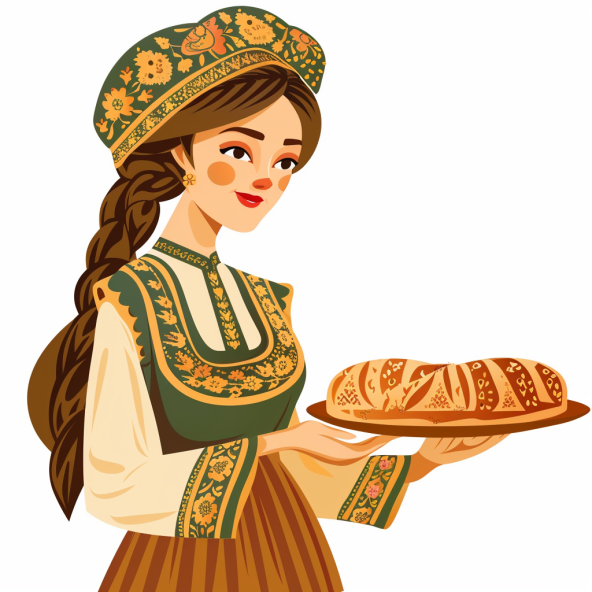
It’s what gets passed down from grandparents, what shapes holidays, and what makes each culture feel like home. In German, it’s die Tradition. This is your German Word of the Day - a formal, foundational word that appears in festivals, family stories, and national conversations.
The noun Tradition means tradition, and it’s one of the 1000 most frequently used nouns in German. It’s used in everyday talk, politics, religion, and education - and sounds almost exactly like its English counterpart.
It’s a feminine noun, so we say die Tradition (still puzzled by gender? Our video lesson helps it finally make sense).
Tradition is pronounced [trah-di-TSYOHN]
Tra like “trah”
di like “dee”
tion pronounced like “tsyon” with a clear German “z” sound
Stress on the last syllable: TradiTION
Das ist bei uns eine alte Tradition.That’s an old tradition for us.
Die Tradition wird von Generation zu Generation weitergegeben.The tradition is passed down from generation to generation.
Sie wollen die Tradition bewahren.They want to preserve the tradition.
Tradition is used for customs, rituals, or habits that are handed down over time.
Common expressions:
eine Tradition pflegen - to uphold a tradition
eine Tradition brechen - to break a tradition
aus Tradition - out of tradition / by tradition
traditionell - traditional
Weihnachtstradition / Familientradition / Tanztradition - compound words are very common
German culture places high value on tradition - whether it’s Osternest basteln (making Easter nests), Maibaum aufstellen (raising a maypole), or Sonntagsbraten (Sunday roast).
“Das ist bei uns schon lange Tradition.”That’s been a tradition in our family for a long time.
“Ich finde diese Tradition schön.”I think that tradition is lovely.
“Manche Traditionen wirken heute veraltet.”Some traditions seem outdated today.
Klara: Warum tragt ihr alle Trachten?Luis: Das ist bei uns zur Hochzeit Tradition.Klara: Ach so! Ich find’s total schön.Luis: Danke! Es bedeutet unserer Familie viel.
Translation:Klara: Why are you all wearing traditional clothes?Luis: It’s a tradition for weddings here.Klara: Oh! I think it’s really beautiful.Luis: Thanks! It means a lot to our family.
Nominative:Die Tradition lebt weiter.The tradition lives on.
Accusative:Wir wollen die Tradition fortführen.We want to continue the tradition.
Dative:Mit der Tradition bin ich aufgewachsen.I grew up with the tradition.
Genitive:Die Bedeutung der Tradition ist tief verwurzelt.The meaning of the tradition is deeply rooted.
Traditionsbewusstsein - awareness of tradition
Traditionsverein - traditional society or club
traditionsreich - rich in tradition
traditionsgemäß - in keeping with tradition
Traditionsbruch - breaking with tradition
🎄 Fun fact: Germany is home to many global holiday traditions - like the Christmas tree (Weihnachtsbaum), Advent calendars, and even the Easter bunny - all rooted in centuries-old Traditionen.
📘 Duden entry: https://www.duden.de/rechtschreibung/Tradition🎥 Want to build a tradition of learning German daily? Our free video course teaches the top 1000 nouns with context, visuals, and grammar tips that make them stick.
Ready for more German Words of the Day?Do you know what Träne means? Some traditions bring joy, others bring a Träne.And what about Trauer? A Tradition can sometimes help us cope with Trauer.
Free download
Leave your email and I’ll send you a link to the ebook. You’ll also get my occasional German-learning tips. No spam, unsubscribe anytime.


Comments
Loading comments…