

21 December 2025
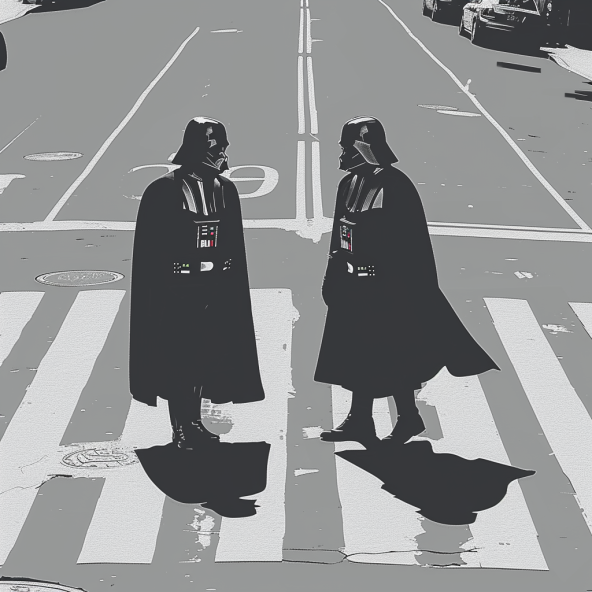
When something happens unexpectedly - good or bad - or when life takes a strange turn, Germans call it a Zufall. It’s the word for those moments where no one was planning anything, but something happened anyway.
The noun Zufall means coincidence, chance, or accident (in the sense of happenstance), and it’s one of the 1000 most frequently used nouns in German. It comes up in stories, conversations about fate, and even science.
It’s a masculine noun, so we say der Zufall.
Zufall is pronounced approximately [TSOO-fal], with long u and short a.
It sounds like something light dropping from the sky - which fits its meaning.
Example sentences:
Zufall comes from zufallen - to fall upon, to happen by chance. It’s all about things that aren’t planned.
Its antonym could be Absicht (intention, feminine) or Plan (plan, masculine).
Masculine case pattern: der, den, dem, des
Variation Station:
Fun idiomatic note:The phrase Was für ein Zufall! is used just like in English: when you bump into someone unexpectedly, or something lines up oddly, often with a knowing smile.
📘 Duden entry: https://www.duden.de/rechtschreibung/Zufall
🎥 Learn Zufall and the rest of the top 1000 German nouns in our free online video course:Watch the 1000 German Nouns video course
Alternate translations note:For accident in the sense of an unfortunate event (like a car crash), Germans use Unfall. For luck, Glück fits better. But for unexpected coincidences, random events, or unintended meetings, Zufall is your go-to.Ready for more German words of the day? Do you know what Zug means? How about Zunge? Find out!
Free download
Leave your email and I’ll send you a link to the ebook. You’ll also get my occasional German-learning tips. No spam, unsubscribe anytime.


Comments
Loading comments…