

21 December 2025
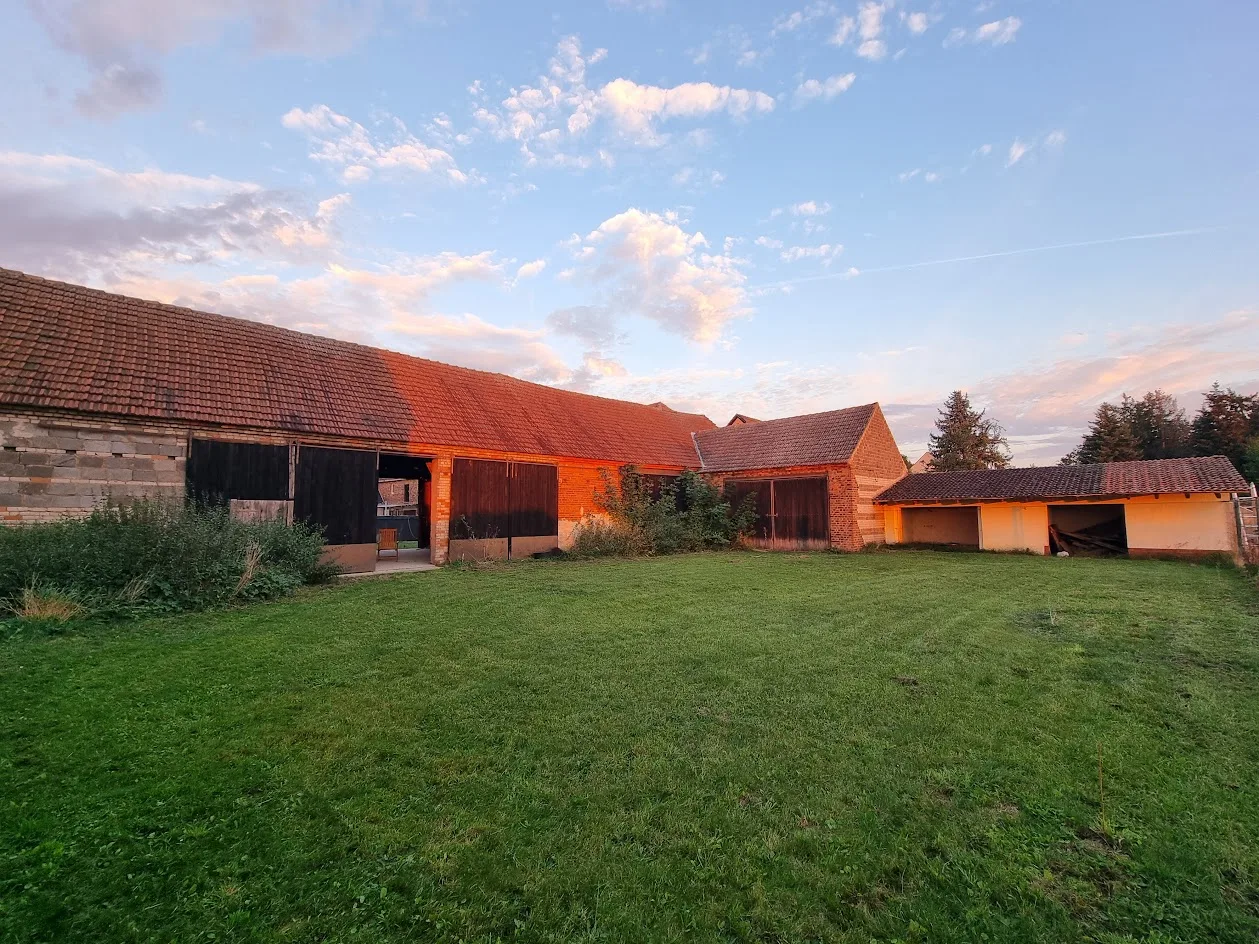
It was a few weeks into the pandemic lockdown - spring 2020 - when I decided to finally pull the trigger and buy a property outside of Berlin.
I didn’t care about the state it was in, as long as it had open sky, nature close by, and a space where I could grill without reserving a spot in a noisy park, make some noise with my drums, plant things, try my hand at brewing… all the things you can’t (or shouldn’t) do in a Prenzlauer Berg apartment.
At the time, I thought of myself as one of the least likely candidates for property ownership in the countryside: almost no savings, officially self-employed (and therefore unlendable by many German banks), no license in Germany and no car, and only preconceptions about what Brandenburg village life might be like.
But after weeks of cabin fever, it became clear: if I was going to be stuck somewhere, I wanted it to be my place - with space, quiet, and endless sky above. And since I was able to work remotely, that wasn’t holding me back either.
Also, I’d found a partner (who is now my wife) whose reaction to my more questionable ideas was always, “Why not?” That mix of courage and curiosity was exactly what I needed to actually get the ball moving.
Because I didn’t have a driver’s license and couldn’t easily travel during lockdown, proximity of the property to a train station was my number-one priority - ideally within 5 km, easy biking distance.
What followed was one of the most obsessive projects of my life. I ordered a large wall map of East Germany and began marking all regional train routes that connected to Berlin. It wasn’t that such a map didn’t exist - it just wasn’t straightforward to get exactly what I needed.
So I made my own. With a pink highlighter, I traced each regional train route coming out of Berlin like a spider’s legs stretching across Brandenburg. (Get in touch with me if you’d like a high-res copy of my map.)
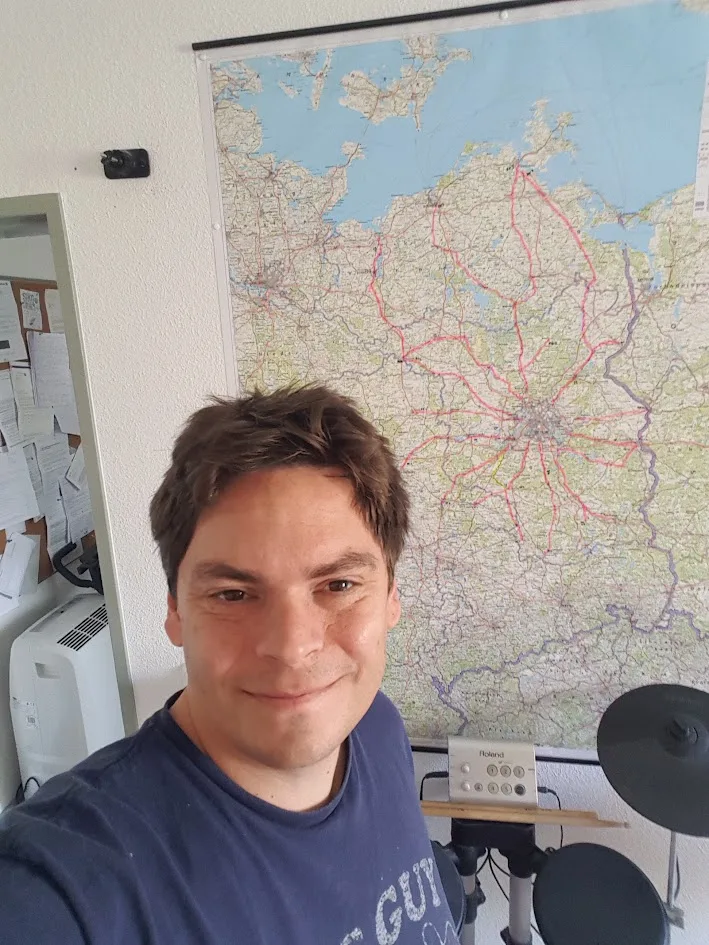
Once my “pink zone” was complete, I set up automatic alerts on Immobilienscout and Immowelt for properties within 10 km of the stations on those lines that matched my criteria: under 150.000€ and over 1,000 m² of land.
As an entrepreneur, I also selected various Gewerbe (commercial) property types for my search - old inns, workshops, or mixed-use buildings - anything that might double as a creative or business space someday.
Then I spent every day eyeballing all the places that popped up in my mailbox - with the luxury/curse of being selective, since it was impossible to set up viewings at the time anyway. I had to be patient and find the best match and then jump once we were allowed to get out again… which I did.
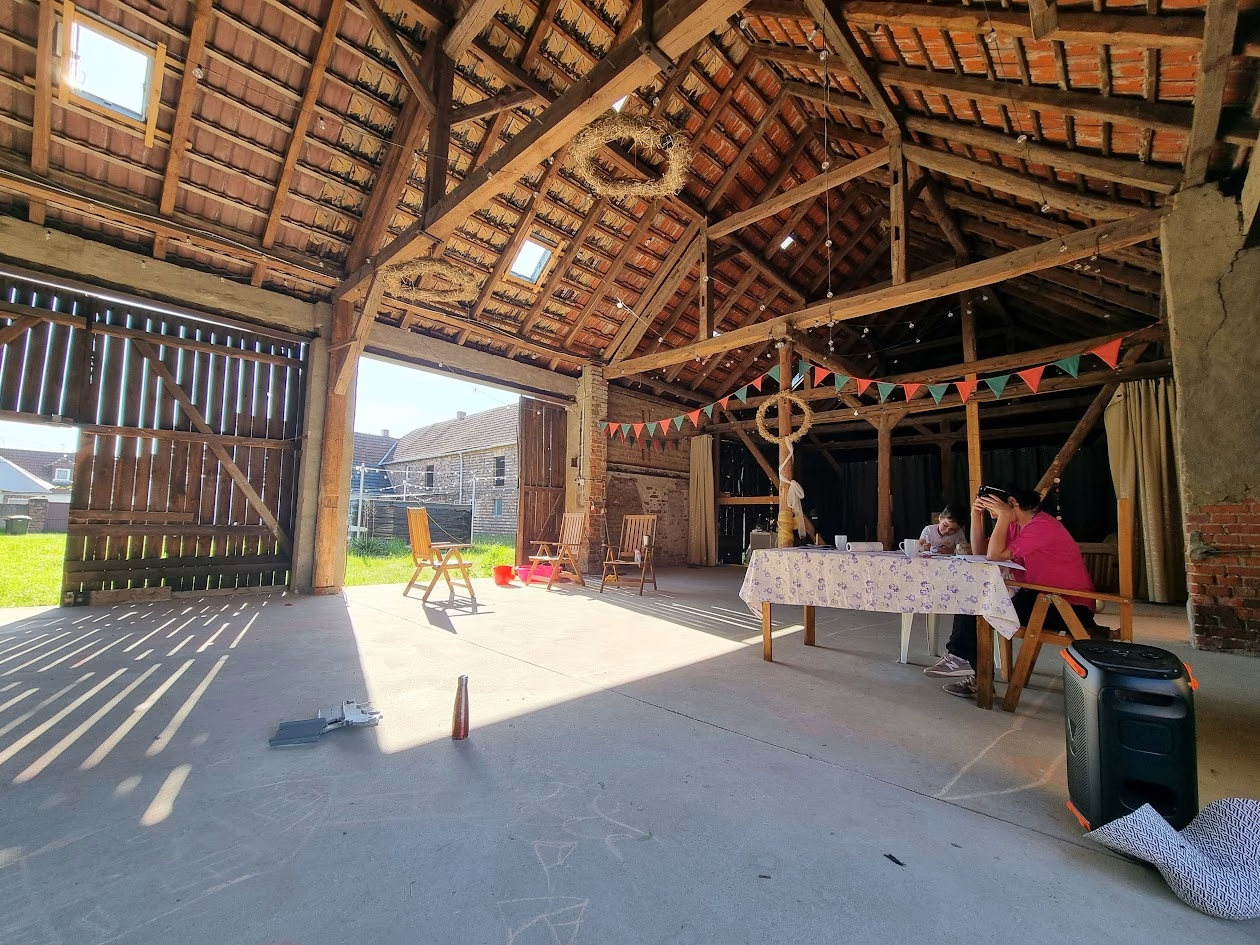
A few weeks later, one warm summer day, I took an empty regional train, biked about 15 minutes through the sunny countryside with nothing but fields around me and endless deep blue sky above, and arrived at a property that immediately felt right. A huge, nearly enclosed private courtyard, lots of storage space, a quaint (and livable) farmhouse from the 19th century, a barn that felt like a personal cathedral, and lots and lots of grassy land (with ponies grazing on it at the time). Quiet. Private. Endless possibilities.
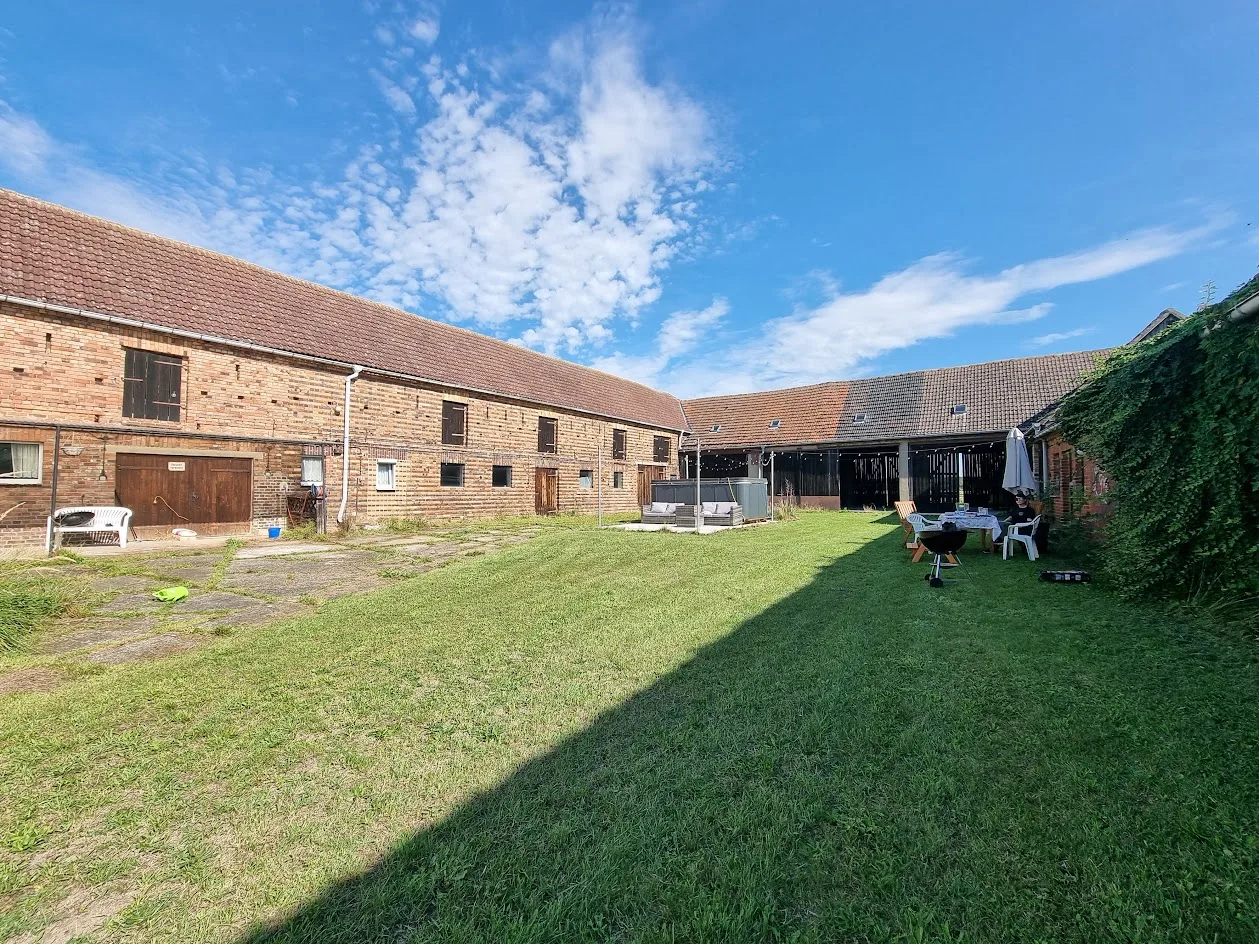
I told the realtor to reserve it immediately.
Around this time, I clicked “Request mortgage offer” on Immobilienscout, expecting to be ignored or rejected again (which had happened to me with my bank in Berlin). Instead, the local Sparkasse called.
Unlike the big Berlin banks, they were relaxed, local, and actually understood what kind of property I was buying. Within a short time, we had an agreement: a manageable monthly rate of just a few hundred euros and a plan to pay it off completely in under ten years. That was perfect.
If you’re serious about buying a property near Berlin, here’s my single best piece of advice: Talk to the local banks. They know the region, the prices, and they’re often far more pragmatic than city lenders.
I went to see a notary together with the realtor and the former owners, signed some papers (which I had a lawyer check, of course) and there I was. Winter of 2020/2021, pandemic vibes in full swing again, but this time I had a house of my own!!
The first time we visited and spent the night the snow went almost up to our knees.
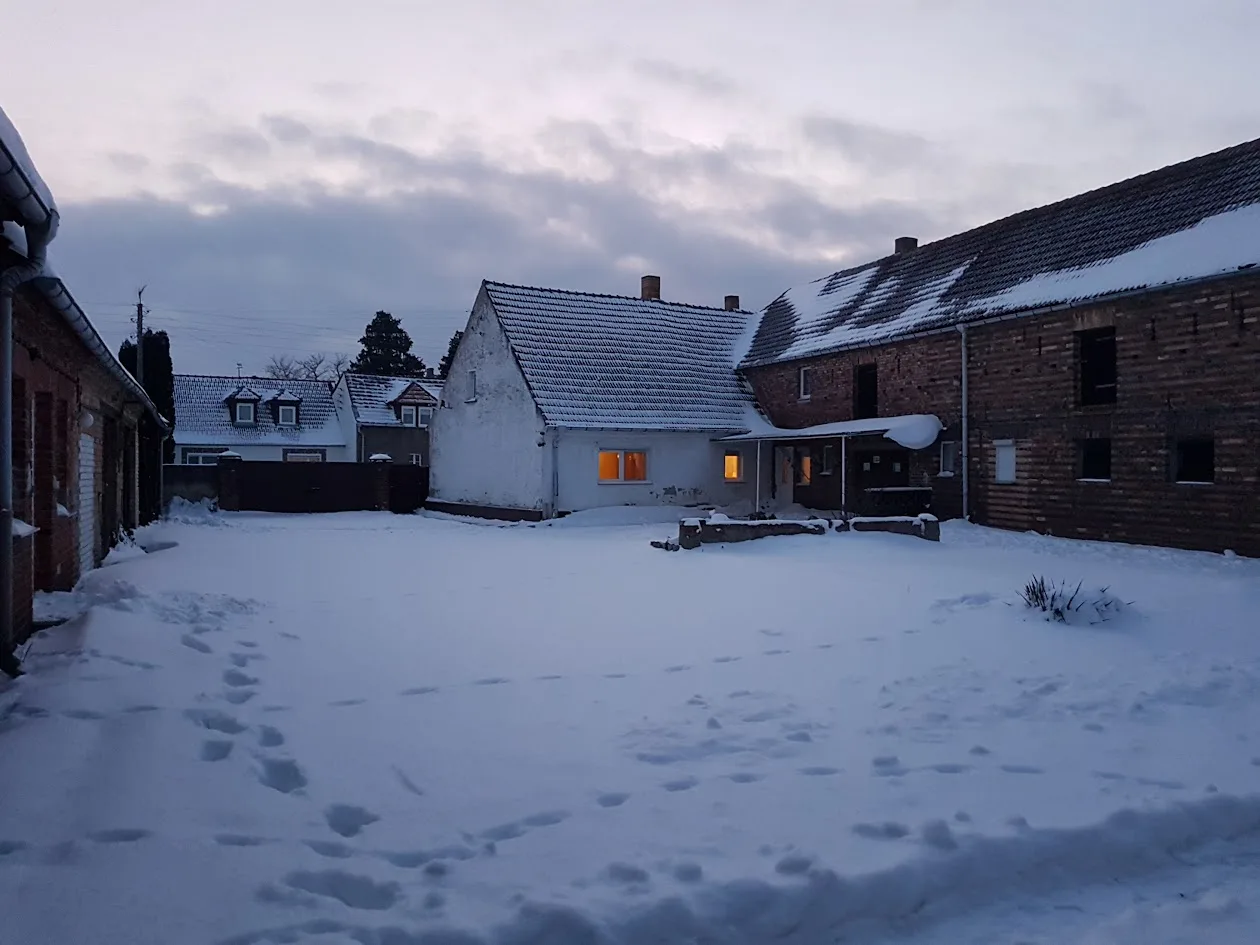
And it. Was. Cold!
When you buy a country property near Berlin, you’re not just buying space - you’re buying a whole new lifestyle, and you learn a torrent of information about construction materials, tools, electrical systems, plumbing, heating systems, roofing, weeding, animals, etc… whether you like it or not, and often by trial and error.
Think of it as time travel. If you turn on three appliances at once - say, the toaster, kettle, and microwave - the lights go out. The wiring is a mix of “innovations” from the 1950s through the 1990s. You’ll soon recognize your local electrician by his gait in the distance.
If your new home comes with coal stoves, prepare for a steep learning curve. They’re charming, effective (about a day or two after they’ve been turned on) and ultimately very cozy - but they can be dirty and demand constant care. Do yourself a favor and get a special ash vacuum (NOT just any vacuum cleaner - unless you want everything covered in ash).
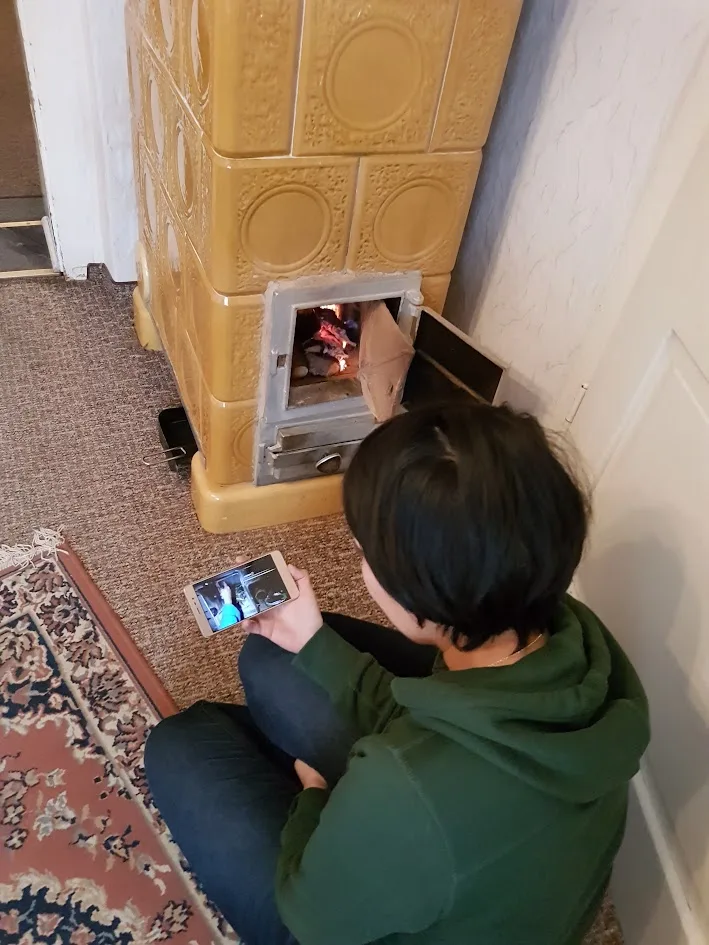
Don’t forget to get in touch with your local (designated) Schornsteinfeger (chimney sweep). They’ll check whether your current setup is even legal (probably not) and safe (that’s a matter of perspective). They might need to do some work on your chimney.
We eventually replaced all our stoves with a pellet heating system - warm, clean, automatic, and controllable by app from anywhere in the world (if you travel) so you can pre-heat the house long before you arrive.
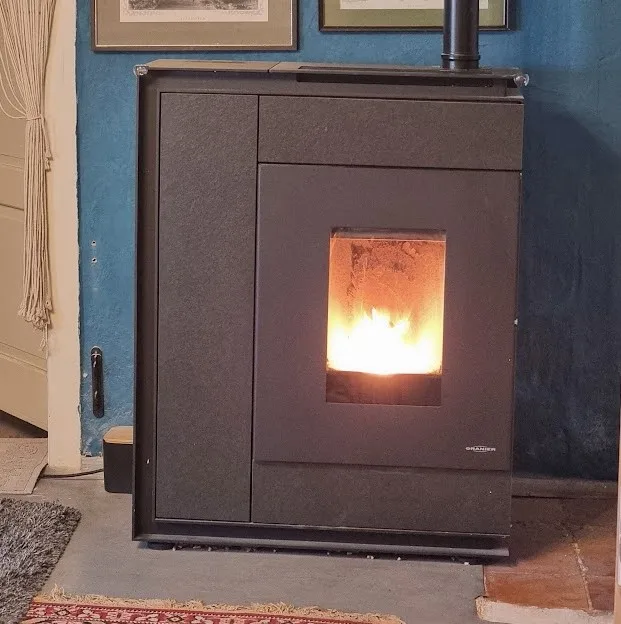
Every property has a few intertior areas that will just stay cold. Turn off your water main when you leave, drain the pipes and toilet tank, and avoid keeping electric heaters running all winter (running electric heaters is very expensive!). If you’re worried about freezing, use a small air-blowing (metal, not plastic) heater with a thermostat near the water line that activates when it gets too cold, and use the same units to heat up areas temporarily (and quickly). Email me if you need more information about heaters 🙂
Meet your next ally: the roofer. Have them inspect every structure - house, barn, sheds. Replacing beams sounds dramatic but it’s not as expensive as you might think, and it’s far cheaper than suddenly discovering daylight where your roof used to be.
Your heating and water guy (it’s most likely a guy) will replace boilers, connect your dishwasher and washing machine, and bring your ancient fittings into this century. Much will need to be updated or hooked up - but once it’s done, it’s a different world.
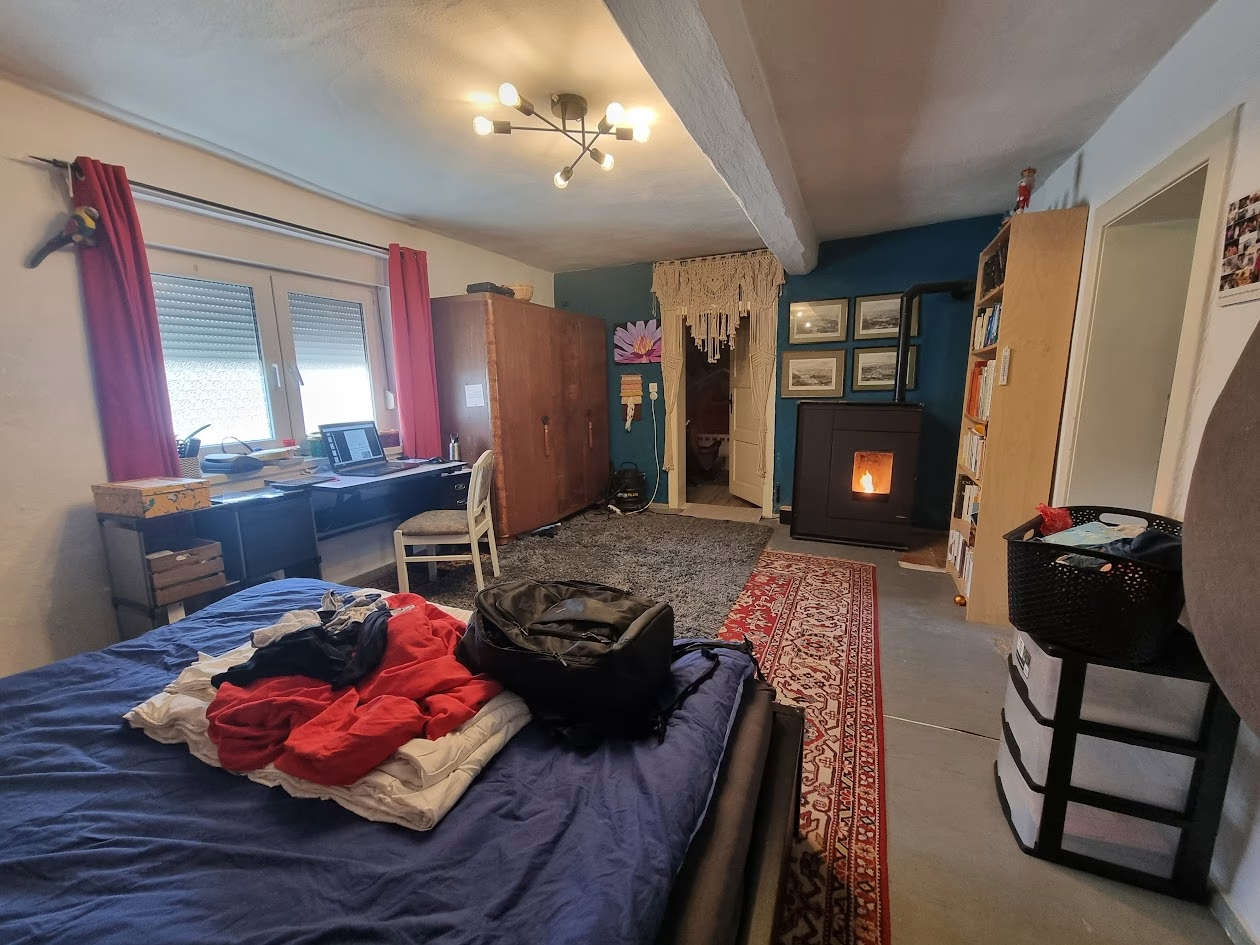
Many rural houses come at least partly furnished. Translation: vintage East German aesthetic. Luckily you have plenty of storage space to move things around and usher in a new era of freedom and democracy.
Before:
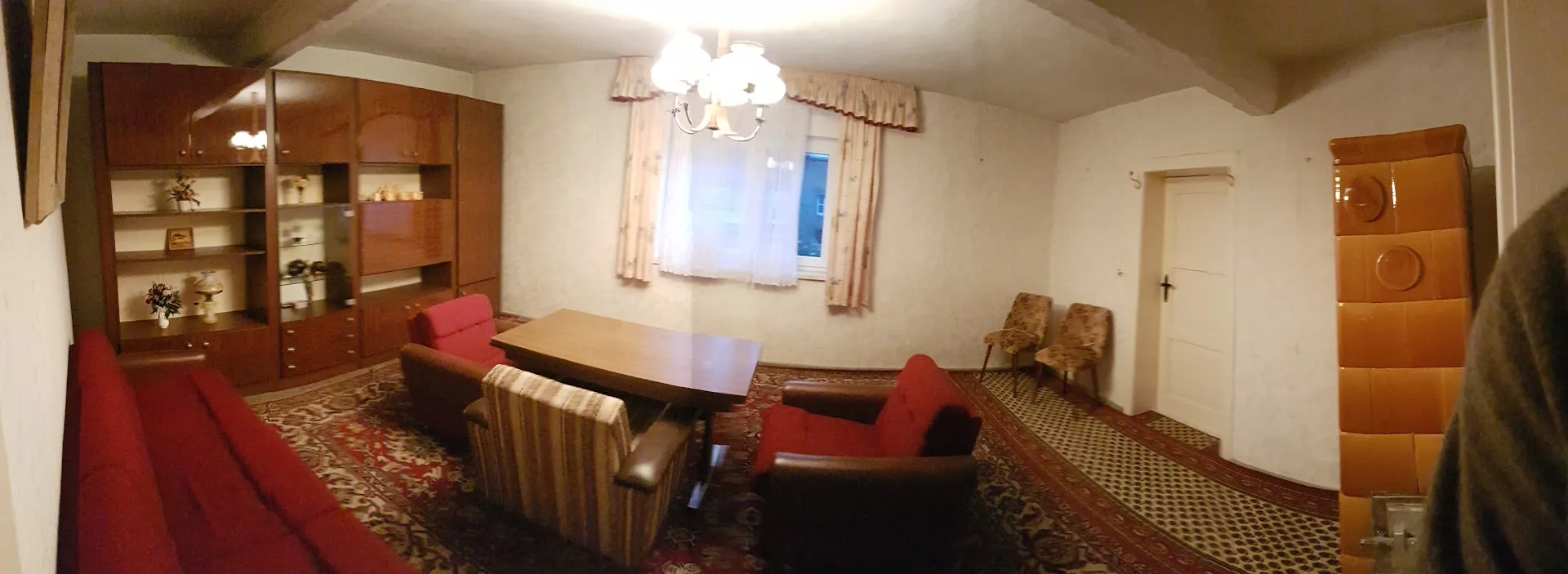
After:
If you don’t mow every two weeks from March to September, you won’t have a lawn - you’ll have a meadow. On 3,000 m², that’s a jungle.
Buy a lawn tractor. My advice:
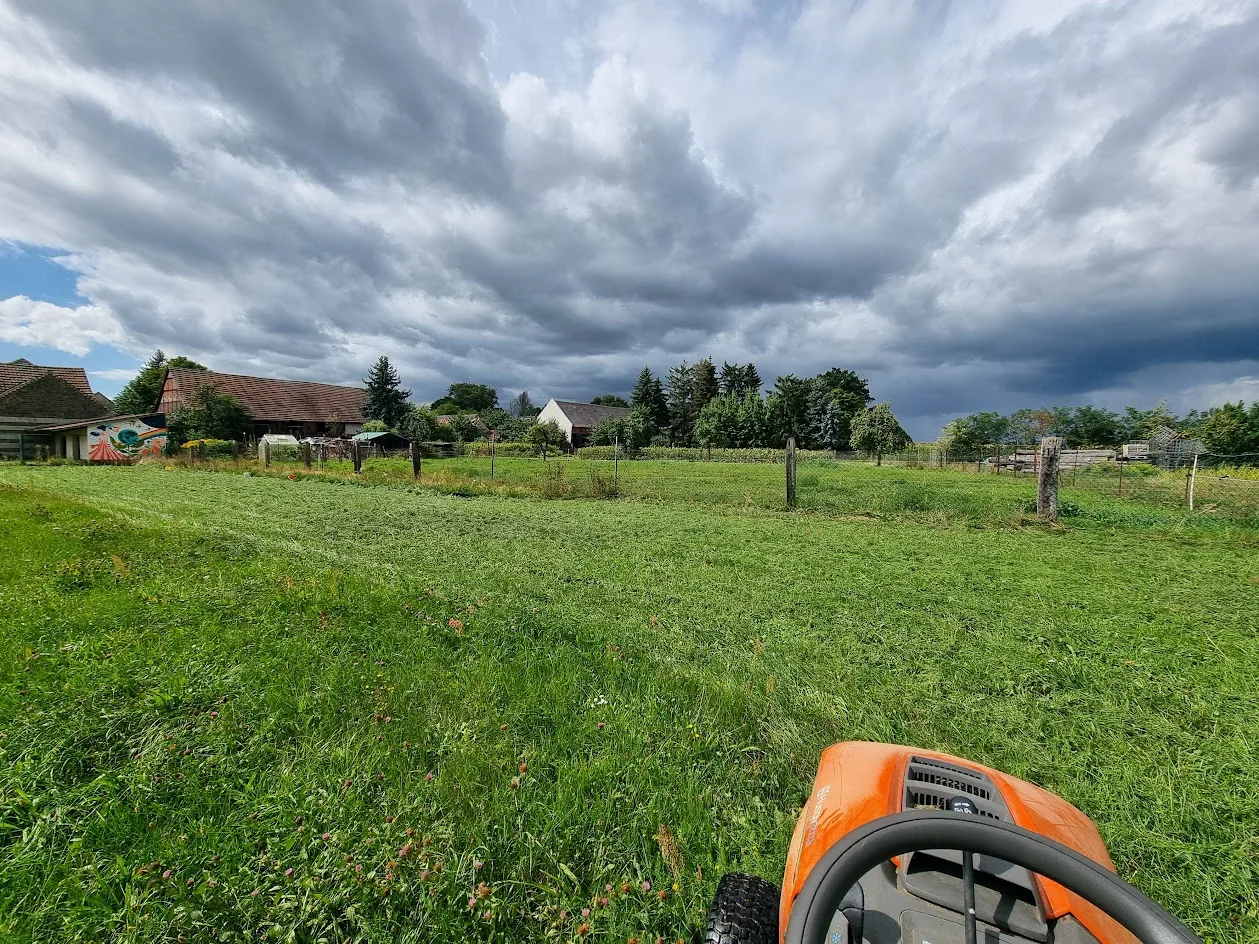
And the weeds? Make your peace with them. You might never win, but you’ll get fitter trying.
Expect storks, swallows, hedgehogs - and spiders as well as the occasional mouse. Neighbors will have cows, horses/ponies and alpacas - and the woods and fields have their share of deer, foxes, and apparently even wolves. It’s all part of the charm of Brandenburg.
A few game-changers for everyday maintenance:
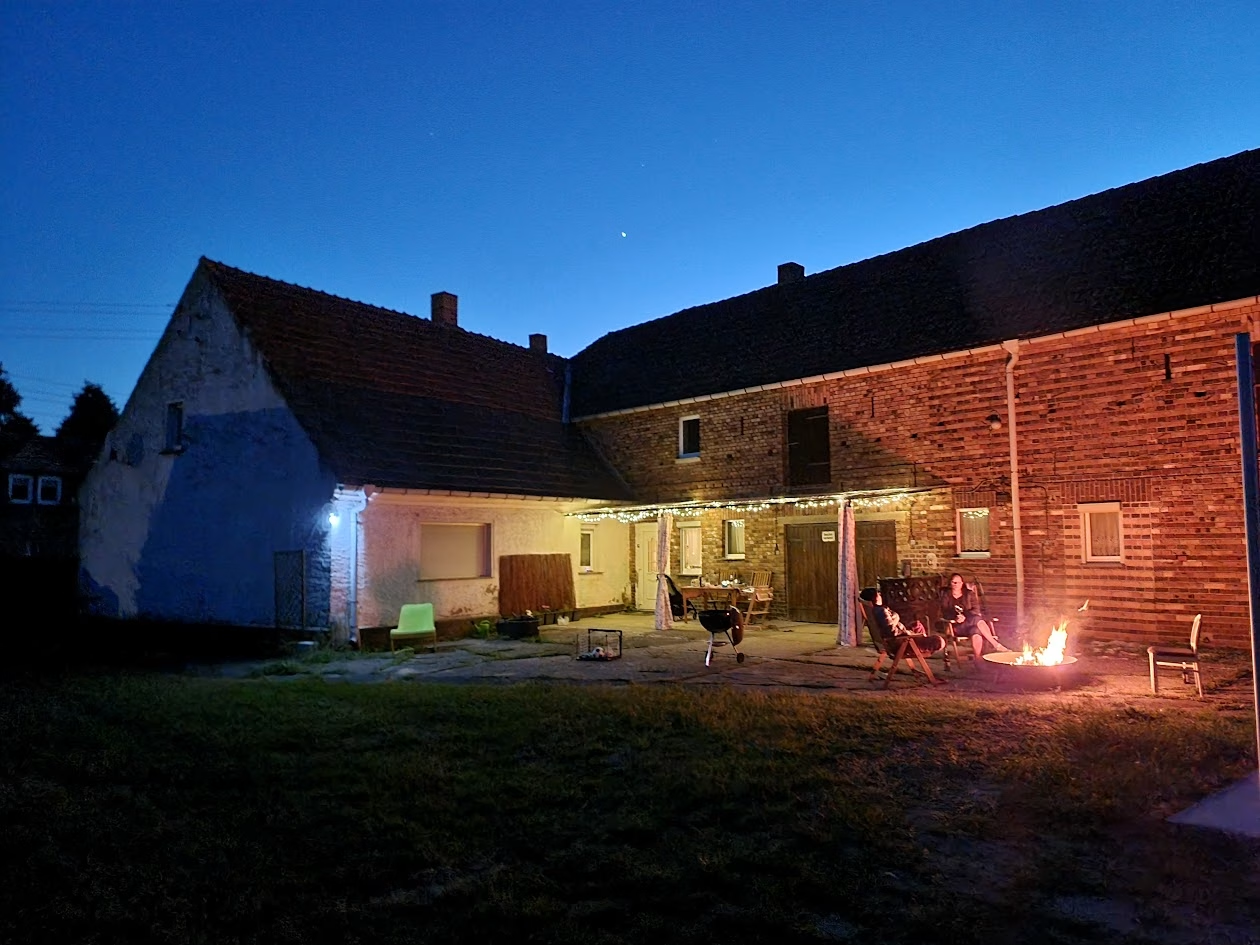
After almost two decades in Berlin, I had no idea how we’d fit in. But people in Brandenburg surprised me.
Neighbors brought cake, invited us to barbecues, poured wine at festivals, and generally welcomed us without hesitation. Sure, everyone knows everything about everyone - but that’s just the countryside’s version of a group chat.
If you put in a bit of effort and can speak at least B1-level German, you’ll do fine. It’s an incredible opportunity to practice real-world German - something that’s much harder to do in Friedrichshain.
If you’re dreaming about buying a farm near Berlin, here’s what I’d tell you after five years of experience:
…don’t overthink it. The perfect moment doesn’t exist. If you’ve been imagining your own garden, your own air, and a bit more peace - start looking. You’ll figure out the rest along the way. Especially if you’ve never owned property before, this is (in my personal opinion) a really great way to start.
If you have specific questions about buying, maintaining, or renovating a turn-of-the-century property in Brandenburg, feel free to write to me at hello (at) deutschable.com. I’m happy to share advice or point you toward useful local resources.
And if you’d like to shortcut a few of these steps, our own farm - the one in this story - is available to rent for the next two or three years.
If you’re interested in our farm, by the way - contact us at hello (at) deutschable.com ! We’re currently looking for people who might be up for it!
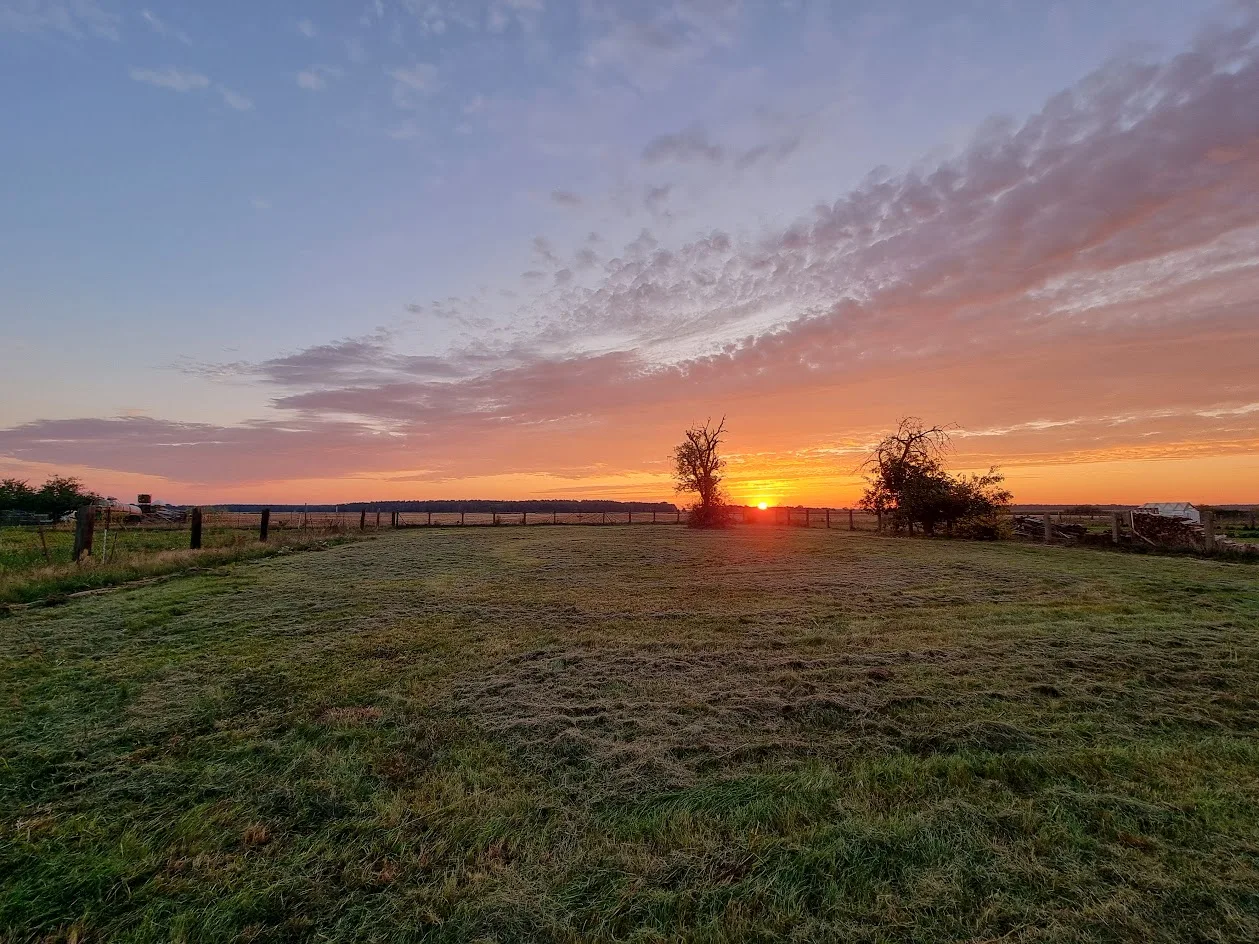
You might just find the beginning of your own Brandenburg story.
Free download
Leave your email and I’ll send you a link to the ebook. You’ll also get my occasional German-learning tips. No spam, unsubscribe anytime.


Comments
Loading comments…