

21 December 2025
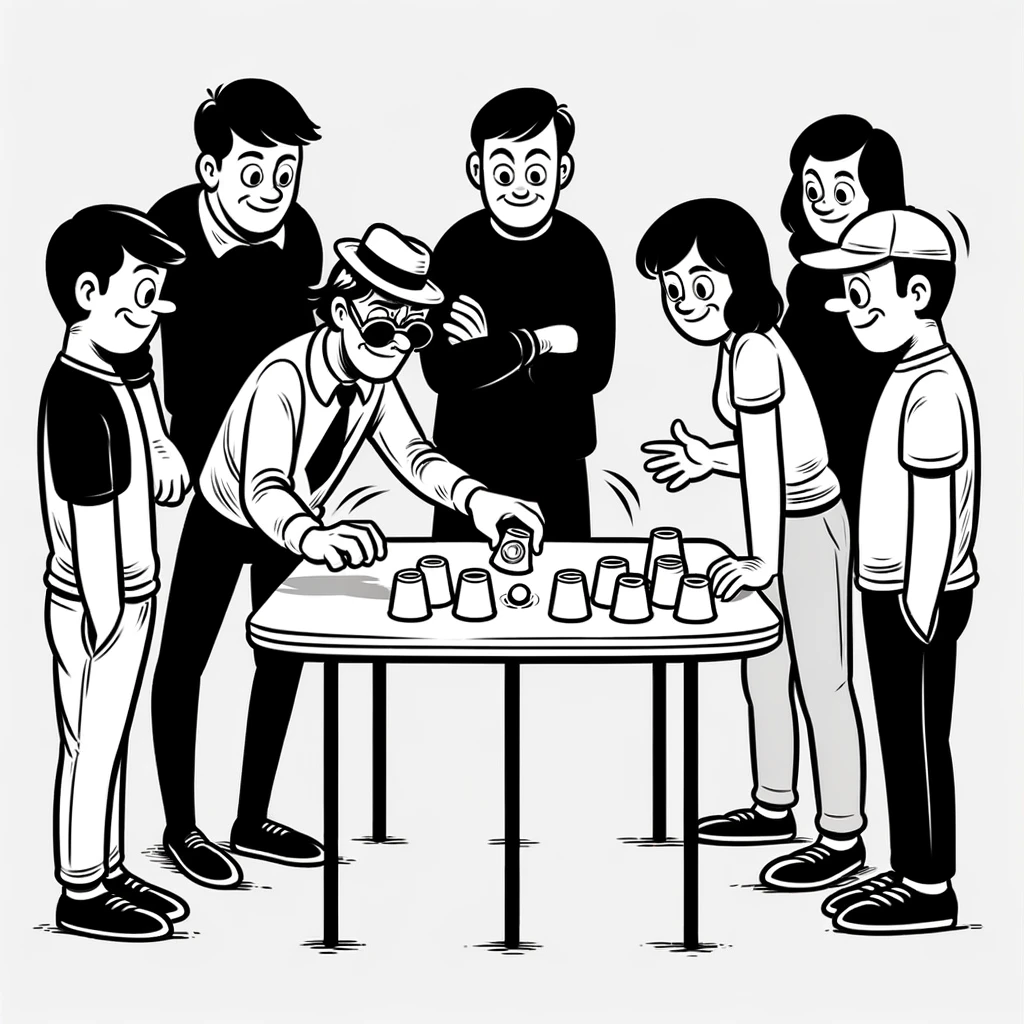
Whether it’s a slick scammer, a shady businessperson, or someone catfishing online - Germans call that person a Betrüger. It’s the word for someone who lies, cheats, and profits at your expense.
The noun Betrüger means fraudster, con artist, cheater or swindler, and it’s one of the 1000 most frequently used nouns in German. It’s a legal term, but also used in everyday warnings and accusations.
It’s a masculine noun, so we say der Betrüger.The feminine form is die Betrügerin.
Betrüger is pronounced approximately [buh-TRÜ-guh], with long ü; final -er is often vocalized.
It sounds smooth - maybe a little too smooth, like the person it describes.
Example sentences:
Betrüger comes from the verb betrügen - to deceive, to cheat. It’s used to describe people who commit:
Related contrast: ehrlicher Mensch means honest person. Vertrauensperson means trusted person; it describes a relationship of trust, not a direct opposite of Betrüger.
Masculine case pattern: der, den, dem, des
Variation Station:
Fun (or not-so-fun) cultural note:News outlets and banks issue Warnungen vor Betrügern (“warnings about scammers”) about online and phone scams. Even dating platforms include advice about Romance-Betrüger, who build emotional trust to steal money. Another scam is der Enkeltrick: callers pretend to be a grandchild or another relative in urgent need of money.
📘 Duden entry: https://www.duden.de/rechtschreibung/Betrueger
🎥 Learn Betrüger and the rest of the top 1000 German nouns in our free online video course:Watch the 1000 German Nouns video course
Alternate translations note:For a cheater in sports or games, Schummler is a milder, more casual word. For a fraudulent person in law or crime, Betrüger is the go-to term. Heiratsschwindler describes someone who deceives through promises of marriage; Liebesbetrüger describes a romance scammer. Neither automatically describes every person who lies about romance.Ready for more German words of the day? Do you know what Blödsinn means? How about Bewegung? Find out!
Free download
Leave your email and I’ll send you a link to the ebook. You’ll also get my occasional German-learning tips. No spam, unsubscribe anytime.


Comments
Loading comments…