

21 December 2025
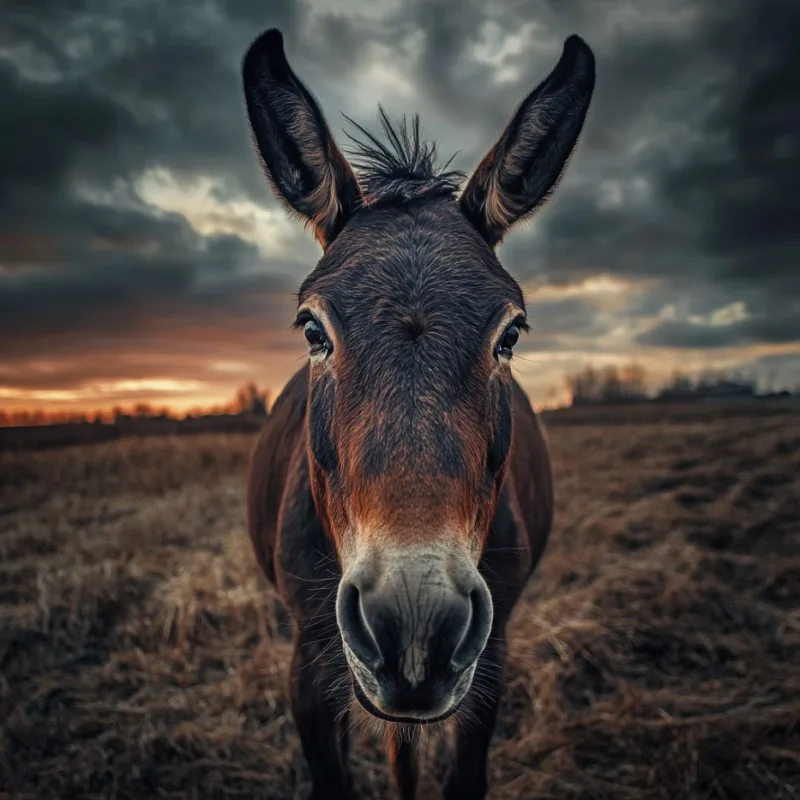
A common German word for “stubborn” is stur. Other options include störrisch and hartnäckig, depending on the context.
Use stur for someone who refuses to change their mind: Sei nicht so stur! - Don’t be so stubborn! Störrisch, starrköpfig, starrsinnig and halsstarrig also describe stubbornness. Starr usually means “rigid” or “fixed,” as in ein starrer Blick - a fixed stare. It can also mean “unyielding,” but stur is a clearer choice when describing a stubborn person.
Words like dickköpfig (literally “thick-headed” - but in German it means stubborn, not stupid), trotzig (defiant, often said of toddlers) and eigensinnig (willful) also fit into this category. A stubborn person is der Sturkopf or der Dickkopf, and a classic comparison is stur wie ein Esel - as stubborn as a mule (literally “a donkey”).
Hartnäckig (literally “hard-necked”) is about persistence: someone who clings to an opinion or refuses to give up. It’s less about mules and more about determination - which is why it’s also the word for stubborn stains, a stubborn cold (eine hartnäckige Erkältung) or a persistent rumor (ein hartnäckiges Gerücht).
Sie haben sich hartnäckig geweigert. They stubbornly refused.Sie können selbst hartnäckige Flecken entfernen. You can even remove stubborn stains.Er macht stur weiter. He’s (stubbornly) carrying on regardless.Das ist ein störrischer Esel. That’s a stubborn donkey.
Free download
Leave your email and I’ll send you a link to the ebook. You’ll also get my occasional German-learning tips. No spam, unsubscribe anytime.


Comments
Loading comments…