

21 December 2025
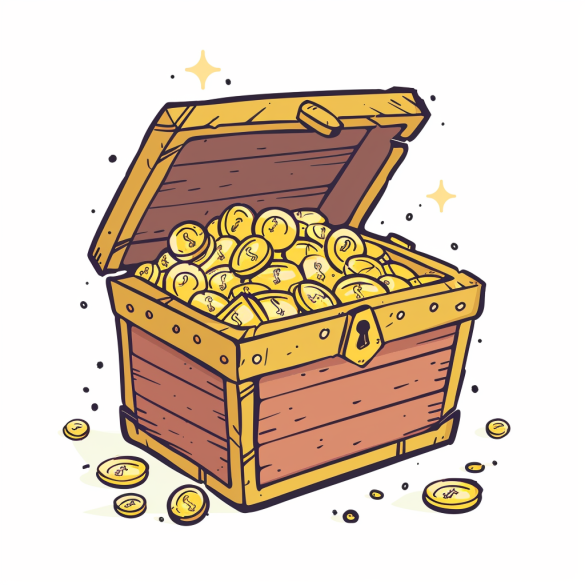
Today’s word is loaded - both emotionally and literally. The German word Schatz means treasure, but it’s also one of the most common terms of endearment, like darling or sweetheart. Germans use it to refer to gold in fairy tales, a good financial find, or their beloved partner. Sometimes all three. It’s one of the 1000 most frequently used nouns in German, too!
Schatz is a masculine noun, so the correct article is der - der Schatz. If remembering gender still feels random, give our 5-minute gender video a try - it clears things up quickly so you don’t have to keep guessing.
Schatz is everywhere in German. Couples call each other Schatz in daily conversation (it’s the German equivalent of “honey” or “babe”), and parents use it with kids. But it’s also used in literal contexts, like treasure hunts or historical discoveries.
- Schatz, wo hast du meinen Schlüssel hingelegt?- Ich? Gar nichts gemacht. Frag das Kind.(“Honey, where did you put my keys?” - “Me? I didn’t do anything. Ask the kid.”)
Paul: Ich hab dir Schokolade mitgebracht.Lea: Oh, danke, Schatz!Paul: Nur das Beste für dich.
(Paul: I brought you some chocolate.Lea: Oh, thanks, sweetheart!Paul: Only the best for you.)
Let’s see how Schatz behaves across the four German cases:
Nominative: Der Schatz ist unbezahlbar.(The treasure is priceless.)
Accusative: Ich liebe meinen Schatz.(I love my sweetheart.)
Dative: Ich helfe meinem Schatz beim Kochen.(I’m helping my darling cook.)
Genitive: Die Träume meines Schatzes sind süß.(My sweetheart’s dreams are sweet.)
Want to finally stop getting cases wrong? Our quick and clear grammar course explains it all in plain English - perfect for anyone who wants to stop memorizing and start understanding.
Schatz is a very common affectionate nickname. Other affectionate terms include Liebling (darling), Süßer/Süße (cutie), and Engel (angel). For literal treasure, Reichtum (riches/wealth) or Goldschatz (gold treasure) might show up in poetic or dramatic contexts, but Schatz is by far the most universal.
Schatz comes from the Old High German scaz, meaning treasure or hoard. You’ll find it in compounds like:
Schatzsuche - treasure hunt
Schatzkarte - treasure map
Familienschatz - family treasure; Familienerbstück - family heirloom
Goldschatz - golden treasure
Liebesschatz - love treasure (a poetic term for a beloved)
In modern German, Schatz has become so common as a pet name that it’s practically the default. You’ll hear it in cafés, parks, IKEA, and checkout lines - anytime someone’s trying to get their partner’s attention (or forgiveness).
Duden entry:https://www.duden.de/rechtschreibung/Schatz
Ready for more German Words of the Day?Do you know what Scherz means?What about Schiff? One makes you laugh… the other sails.
Free download
Leave your email and I’ll send you a link to the ebook. You’ll also get my occasional German-learning tips. No spam, unsubscribe anytime.


Comments
Loading comments…