

21 December 2025
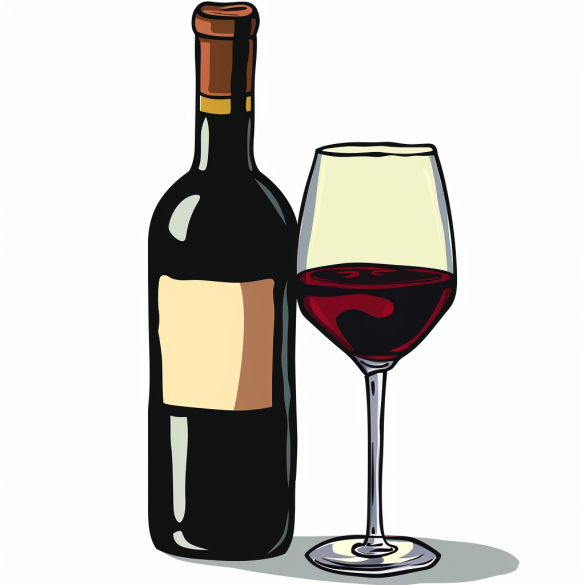
It’s what fills glasses at dinner, festivals, and quiet evenings. In German, wine is der Wein - short, elegant, and full of cultural depth. This is your German word of the day, and whether you’re talking about red, white, or sparkling, it’s a word you’ll hear often.
The noun Wein means wine, and it’s one of the 1000 most frequently used nouns in German. It’s tied to German tradition, agriculture, and daily life, especially in wine regions like the Mosel, Rheingau, or Baden.
It’s a masculine noun, so we say der Wein (learn more about gender in our video here: Watch the 5-minute video lesson on German noun genders).
Wein is pronounced [VINE].
It rhymes exactly with the English word “vine,” which is a good memory trick - it even grows on one.
Der Wein aus dieser Region ist sehr bekannt.The wine from this region is very well known.
Trinkst du lieber roten oder weißen Wein?Do you prefer red or white wine?
Wein can refer broadly to wine as a beverage, or more specifically to types of wine or bottles. It’s used casually in conversation, in menus, and in formal writing alike.
Useful compounds include:
Tafelwein is the older category “table wine.” For German wine without a protected designation, the current category is Deutscher Wein; Qualitätswein is another category used in German wine labeling.
Even as a beginner, you’ll see Wein on menus and in stores, and hear it during invitations or social plans. It’s common to ask:
“Möchtest du ein Glas Wein?”(Would you like a glass of wine?)
Or to compare types:“Ich mag lieber trockenen Wein.”(I prefer dry wine.)
It’s also a handy noun for learning how adjectives and colors work with beverages - roter Wein, weißer Wein, trockener Wein, süßer Wein.
Lina: Magst du Wein?Jasmin: Ja, besonders Weißwein im Sommer.Lina: Ich trinke lieber Rotwein.Jasmin: Am besten ist ein guter Wein mit Freunden!
Lina: Do you like wine?Jasmin: Yes, especially white wine in summer.Lina: I prefer red wine.Jasmin: The best thing is good wine with friends!
Nominative:Der Wein ist sehr süß.The wine is very sweet.
Accusative:Ich trinke den Wein nicht.I’m not drinking the wine.
Dative:Zum Wein passt Käse gut.Cheese goes well with the wine.
Genitive:Der Geschmack des Weins ist fruchtig.The taste of the wine is fruity.
Masculine case pattern: der, den, dem, des
In German-speaking countries, Wein has a strong regional presence. Many areas have their own types and traditions:
Vocabulary tip: At some wine festivals, a glass deposit is called Pfand. Check the event’s rules about returning or keeping the glass and bringing your own drinks.
📘 Duden entry: https://www.duden.de/rechtschreibung/Wein🎥 Learn Wein and the rest of the top 1000 German nouns in our free online video course: Watch the 1000 German Nouns video course
Ready for more German words of the day? Do you know what Werk means? How about Westen? Find out!
Free download
Leave your email and I’ll send you a link to the ebook. You’ll also get my occasional German-learning tips. No spam, unsubscribe anytime.


Comments
Loading comments…