

21 December 2025
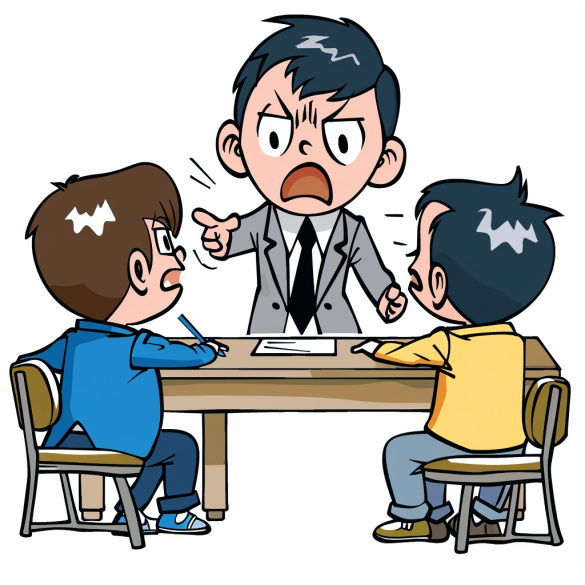
It’s the thing that flashes on screens, appears in safety messages, and sometimes comes as friendly advice. In German, it’s die Warnung. This is your German word of the day, and it’s essential for understanding news alerts, road signs, or even heated conversations.
The noun Warnung means warning, alert, or caution, and it’s one of the 1000 most frequently used nouns in German. It shows up in weather forecasts, political speeches, packaging labels, and personal conversations.
It’s a feminine noun, so we say die Warnung (gender still a mystery? Our clear, super-practical video lesson will help you lock it in for good: Watch the 5-minute video lesson on German noun genders).
Warnung is pronounced [VAR-nung].
It sounds serious and direct - because that’s the point.
Die Warnung kam zu spät.The warning came too late.
Ich gebe dir eine letzte Warnung.I’m giving you one final warning.
Warnung can refer to both official alerts and informal advice or threats. You’ll see it on signs, in emergency apps, and in speech.
Common types of Warnung include:
Phrases to look for:
Even for beginners, Warnung is useful in everyday contexts. You might hear:
“Ich habe dich gewarnt!” - I warned you!or“Gibt es eine Sturmwarnung für heute?” - Is there a storm warning today?
It’s also helpful when reading public signs or listening to the news. Germany has an app called NINA that sends Warnungen for everything from chemical leaks to high winds.
Lea: Hast du die Warnung im Radio gehört?Timo: Nein, was ist passiert?Lea: Es gibt Starkregen und Hochwassergefahr.Timo: Dann bleib ich lieber zu Hause.
Lea: Did you hear the warning on the radio?Timo: No, what happened?Lea: There’s heavy rain and risk of flooding.Timo: Then I’d better stay home.
Nominative:Die Warnung war deutlich.The warning was clear.
Accusative:Ich habe die Warnung nicht gehört.I didn’t hear the warning.
Dative:Mit der Warnung bin ich vorsichtig umgegangen.I handled the warning cautiously.
Genitive:Die Folgen der Warnung waren ernst.The consequences of the warning were serious.
Feminine case pattern: die, die, der, der
You’ll often encounter Warnung in public and legal contexts:
Vocabulary tip: Warnhinweis means warning notice or safety warning. It can appear on products, signs or in official messages.
📘 Duden entry: https://www.duden.de/rechtschreibung/Warnung🎥 Learn Warnung and the rest of the top 1000 German nouns in our free online video course: Watch the 1000 German Nouns video course
Ready for more German words of the day? Do you know what Wäsche means? How about Waffe? Find out!
Free download
Leave your email and I’ll send you a link to the ebook. You’ll also get my occasional German-learning tips. No spam, unsubscribe anytime.


Comments
Loading comments…