

21 December 2025
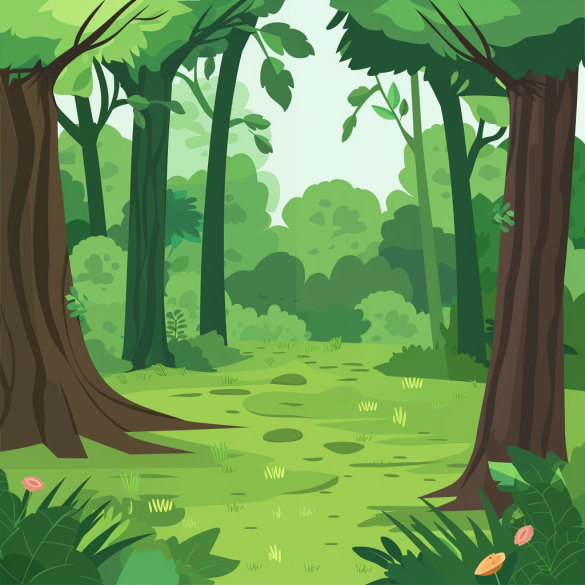
It’s the place of fairy tales, long walks, and quiet mystery. In German, it’s called der Wald. This is your German word of the day, it’s how you say forest in German, and it’s one of the most iconic and emotionally rich nouns in the language.
The noun Wald means forest or woods, and it’s one of the 1000 most frequently used nouns in German. Whether you’re reading a Brothers Grimm story, checking a hiking route, or planning a weekend trip, this word is everywhere in German life and culture.
It’s a masculine noun, so we say der Wald (still fuzzy on gender? Our fast, no-fuss video lesson will help you master it: Watch the 5-minute video lesson on German noun genders).
Wald is pronounced [valt].
It’s a simple, earthy word with deep roots in the language.
Der Wald ist ruhig und schön.The forest is quiet and beautiful.
Wir machen einen Spaziergang im Wald.We’re going for a walk in the forest.
Wald refers to any area of dense trees - natural or managed - and is a deeply familiar concept in German culture, both as a physical place and as a symbol of stillness, danger, or reflection.
Common compounds include:
In German-speaking countries, walking in the woods (im Wald spazieren) is not just a pastime - it’s almost a cultural ritual.
If you live in or visit Germany, Austria, or Switzerland, you’ll hear Wald often when talking about weekend plans, hiking, or even climate and conservation topics. It’s especially useful in questions like:
“Wo ist der nächste Wald?” - Where’s the nearest forest?“Gehen wir heute in den Wald?” - Shall we go to the forest today?
Even as a beginner, it’s a handy and grounding word - both in real life and in stories.
Emil: Was machen wir am Sonntag?Lina: Lass uns in den Wald gehen!Emil: Gute Idee. Ich liebe die frische Luft.Lina: Und vielleicht sehen wir Rehe!
Emil: What are we doing on Sunday?Lina: Let’s go to the forest!Emil: Good idea. I love the fresh air.Lina: And maybe we’ll see deer!
Nominative:Der Wald ist sehr alt.The forest is very old.
Accusative:Wir betreten den Wald.We are entering the forest.
Dative:Im Wald ist es kühl.It’s cool in the forest.
Genitive:Die Bäume des Waldes sind hoch.The trees of the forest are tall.
Masculine case pattern: der, den, dem, des
Related vocabulary you might hear:
Cultural note: Germany is a heavily forested country, and forests often carry emotional and historical weight. Romantic literature and fairy tales often use the forest as a setting. Waldsterben means forest dieback, a term associated with environmental debates in Germany.
📘 Duden entry: https://www.duden.de/rechtschreibung/Wald🎥 Learn Wald and the rest of the top 1000 German nouns in our free online video course: Watch the 1000 German Nouns video course
Are you confident now on how to say forest in German? Ready for more German words of the day? Do you know what Wand means? How about Warnung? Find out!
Free download
Leave your email and I’ll send you a link to the ebook. You’ll also get my occasional German-learning tips. No spam, unsubscribe anytime.


Comments
Loading comments…