

21 December 2025
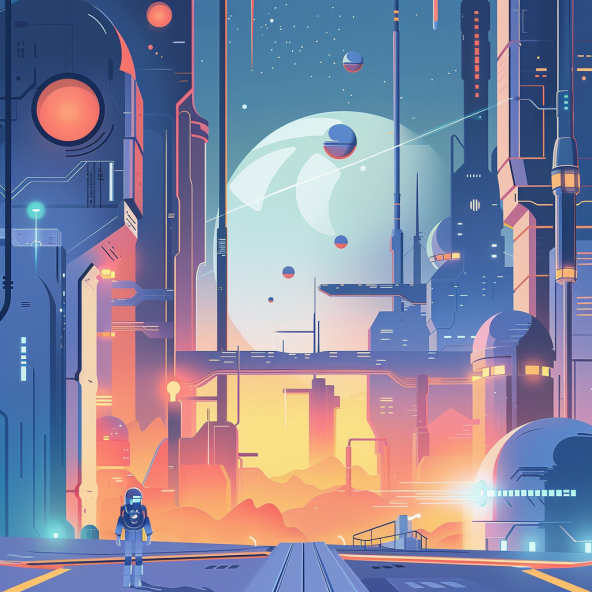
Whether you’re dreaming big, making plans, or worrying about what’s to come - Germans call it Zukunft. It’s a word filled with hope, tension, and imagination.
The noun Zukunft means future, and it’s one of the 1000 most frequently used nouns in German. It shows up in school essays, corporate mission statements, climate debates, and deeply personal reflections.
It’s a feminine noun, so we say die Zukunft.
Zukunft is pronounced [TSOO-kunft] - the second u is short.
It sounds a little heavy - which makes sense, because the future can feel that way.
Example sentences:
Zukunft comes from zu (to) and kommen (to come), literally “what is coming.” It’s used in a variety of ways:
Its antonym is Vergangenheit (past, feminine). Together with Gegenwart (present), they form the classic trio:Vergangenheit - Gegenwart - Zukunft.
Feminine case pattern: die, die, der, der
Variation Station:
Fun usage note:The phrase Das ist noch Zukunftsmusik is used when something sounds good but isn’t realistic (yet):
„Ein Leben auf dem Mars? Das ist Zukunftsmusik.““Life on Mars? That’s just a dream of the future.”
📘 Duden entry: https://www.duden.de/rechtschreibung/Zukunft
🎥 Learn Zukunft and the rest of the top 1000 German nouns in our free online video course:Watch the 1000 German Nouns video course
Alternate translations note:If you’re talking about someone’s prospects or outlook, Germans might also use Aussicht, Perspektive, or Chancen. But if you’re speaking about the future as a timeframe, a concept, or a direction - Zukunft is the right word.Ready for more German words of the day? Do you know what Zuschauer means? How about Zustand? Find out!
Free download
Leave your email and I’ll send you a link to the ebook. You’ll also get my occasional German-learning tips. No spam, unsubscribe anytime.


Comments
Loading comments…