

21 December 2025
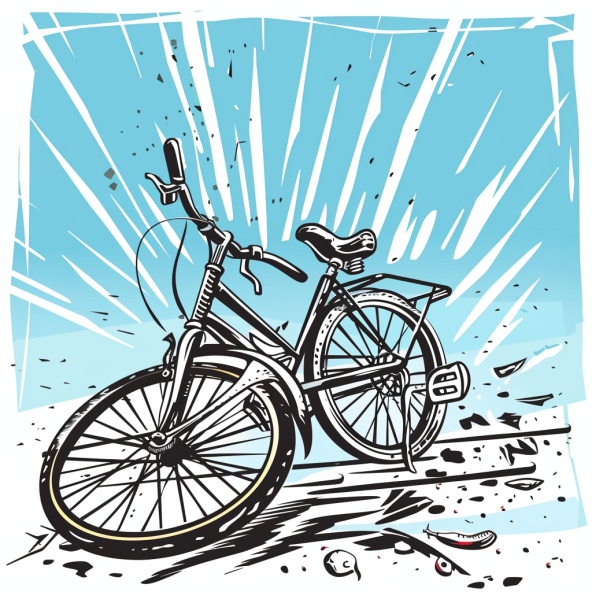
It’s what you hope won’t happen, what you hear on traffic reports, and what requires quick thinking and calm words. In German, it’s der Unfall. This is your German word of the day, and it’s essential for emergencies, insurance claims, and everyday small mishaps.
The noun Unfall means accident (typically physical or situational), and it’s one of the 1000 most frequently used nouns in German. Whether it’s a bike crash, a kitchen slip, or a serious car collision, this is the word Germans use.
It’s a masculine noun, so we say der Unfall (still sorting out your der, die, das? Our video lesson makes gender finally make sense).
Unfall is pronounced roughly [UN-fal].
Un - short u, as in “put” (not “oon”),
fall - short German a, without the rounded vowel in many American pronunciations of “fall”
Stress is on the first syllable: UN-fall
It sounds abrupt - like the thing it describes.
Zum Glück war es nur ein kleiner Unfall.Luckily, it was just a minor accident.
Der Unfall passierte mitten in der Stadt.The accident happened in the middle of the city.
Unfall refers to unexpected negative incidents, usually involving injury, damage, or disruption:
Autounfall - car accident
Verkehrsunfall - traffic accident
Arbeitsunfall - workplace accident
Sportunfall - sports-related injury
It can be used in formal and casual settings:
“Ich hatte gestern einen Unfall mit dem Fahrrad.”
“Der Patient wurde nach dem Unfall operiert.”
You’ll often see it in combination with bauen (literally “build,” but in this case, “get into”):
“Er hat einen Unfall gebaut.” - He caused an accident. (slangy, very common in speech)
All the time, especially in stories, phone calls, or traffic updates:
“Ich komme später - es gab einen Unfall auf der A8.” - I’ll be late - there was an accident on the A8.“Nach dem Unfall musste ich ins Krankenhaus.” - I had to go to the hospital after the accident.
It also shows up in forms and insurance paperwork:“Waren Sie am Unfall beteiligt?” - Were you involved in the accident?
Mira: Alles okay? Du wirkst blass.Leo: Ich hatte fast einen Unfall mit dem Roller.Mira: Oh nein! Bist du verletzt?Leo: Nein, zum Glück nur ein Schreck.
Mira: Everything okay? You look pale.Leo: I almost had an accident with the scooter.Mira: Oh no! Are you hurt?Leo: No, luckily just a scare.
Nominative:Der Unfall war wirklich heftig.The accident was really serious.
Accusative:Ich habe den Unfall gesehen.I saw the accident.
Dative:Nach dem Unfall ging es ihm besser.He felt better after the accident.
Genitive:Die Ursache des Unfalls ist unklar.The cause of the accident is unclear.
Masculine case pattern: der, den, dem, des
Helpful compounds and expressions:
Unfallopfer - accident victim
Unfallstelle - accident site
Unfallbericht - accident report
Unfallversicherung - accident insurance
Unfallvermeidung - accident prevention
Note: Germans often distinguish between Unfall (unexpected harm) and Missgeschick (a small clumsy mistake like spilling water). A major disaster with many victims is often called an Unglück.
📘 Duden entry🎥 Want to learn the most practical German nouns - fast and for free? Our video course teaches the top 1000 with visuals, examples, and grammar tips that stick.
Ready for more German Words of the Day?Do you know what Universität means? It’s where learning gets serious (and sometimes expensive).What about Unglück? That one’s what you hope your day doesn’t turn into.
Free download
Leave your email and I’ll send you a link to the ebook. You’ll also get my occasional German-learning tips. No spam, unsubscribe anytime.


Comments
Loading comments…