

21 December 2025
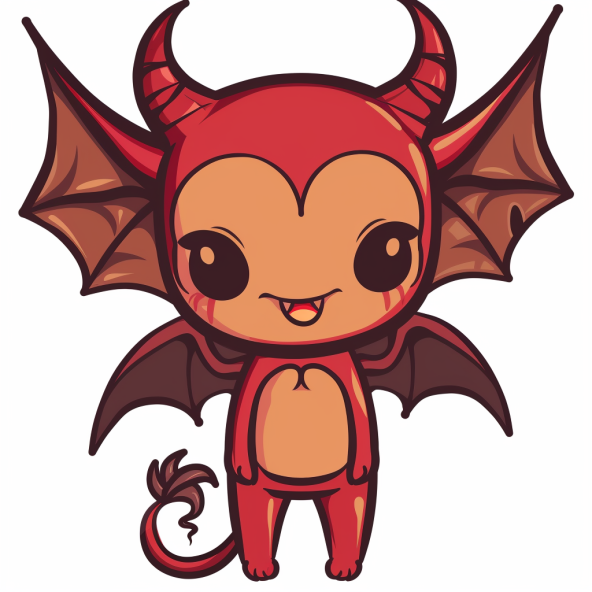
It’s the figure in folklore, religion, and expressions of shock or mischief. In German, it’s der Teufel. This is your German word of the day, and it shows up everywhere - from church sermons to fairy tales to everyday idioms that have nothing to do with horns and pitchforks.
The noun Teufel means devil, and it’s one of the 1000 most frequently used nouns in German. While it has religious origins, it’s just as common in figurative speech and strong emotional reactions.
It’s a masculine noun, so we say der Teufel (not sure how gender works in German? Our video lesson makes it surprisingly easy).
Teufel is pronounced [TOY-fel].
Teu like “toy,”
fel like “fəl” (a soft, short “uhl” sound),
Stress is on the first syllable: TOY-fel
It’s bold, strong, and often delivered with a bit of drama.
Der Teufel steckt im Detail.The devil is in the details.
Was zum Teufel ist hier los?What the hell is going on here?
Teufel can refer to:
The literal devil in religious or mythological contexts:
Angst vor dem Teufel - fear of the devil
Er verkaufte seine Seele dem Teufel - he sold his soul to the devil
A figurative or humorous expression of frustration, shock, or mischief:
zum Teufel gehen - to go to hell / disappear
der arme Teufel - the poor devil (sympathetic, informal)
ein kleiner Teufel - a cheeky little rascal
Wenn man vom Teufel spricht … - Speak of the devil …
Pfui Teufel! - Yuck!
auf Teufel komm raus - like crazy, at any cost
In idioms:
Teufelskreis - vicious circle
den Teufel an die Wand malen - to expect the worst / be overly pessimistic
Teufelskerl - daring fellow (complimentary, old-fashioned or humorous)
Often! It’s part of colorful language and strong emotion:
“Ich hab mich zu Tode erschreckt - ich dachte, der Teufel holt mich!”- I was scared to death - I thought the devil was coming for me!
“Teuflisch clever, der Typ.”- That guy’s devilishly clever.
It’s also common in jokes, cartoons, and moral storytelling.
Paula: Wer hat das Fenster offen gelassen?Leon: Keine Ahnung - der Teufel vielleicht?Paula: Ha-ha. Sehr witzig.Leon: Na, war ja nur ein Scherz!
Paula: Who left the window open?Leon: No idea - maybe the devil?Paula: Ha-ha. Very funny.Leon: Come on, it was just a joke!
Nominative:Der Teufel schläft nie, sagt man.The devil never sleeps, they say.
Accusative:Ich fürchte den Teufel nicht.I’m not afraid of the devil.
Dative:Mit dem Teufel will ich nichts zu tun haben.I want nothing to do with the devil.
Genitive:Der Pakt des Teufels war unterschrieben.The devil’s pact was signed.
Masculine case pattern: der, den, dem, des
Common related expressions:
Teufelskreis - vicious circle
Teufelszeug - dangerous stuff (slang)
Teufelskerl - daring guy
Teufelchen - little devil (often affectionate or playful)
Höllenteufel - hell-devil (comic-book villain type of expression)
Cultural note: In many German fairy tales and fables, the Teufel plays a trickster or punisher role. But in modern usage, it’s often tongue-in-cheek or exaggerated for drama.
📘 Duden entry🎥 Want to learn German that’s wickedly useful? Our free video course teaches the top 1000 German nouns with examples, visuals, and context that actually sticks.
Ready for more German Words of the Day?Do you know what Teil means? That one’s just one part of the bigger picture.And what about Tier? Let’s just say… not every animal is as scary as the Teufel.
Free download
Leave your email and I’ll send you a link to the ebook. You’ll also get my occasional German-learning tips. No spam, unsubscribe anytime.


Comments
Loading comments…