

21 December 2025
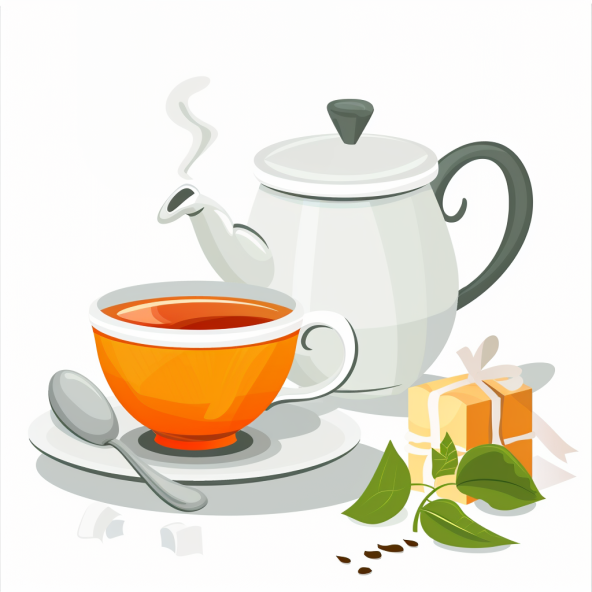
It’s what warms you on cold days, calms your nerves, or kicks off a conversation. In German, it’s der Tee. This is your German word of the day, and whether you’re at home, in a café, or at the pharmacy, this little word is as comforting as the drink itself.
The noun Tee means tea, and it’s one of the 1000 most frequently used nouns in German. From herbal infusions to black breakfast blends, this word comes up everywhere - from menus to medicine.
It’s a masculine noun, so we say der Tee (still figuring out German gender? Our video lesson makes it simple and intuitive).
Tee is pronounced [teː], with a long, steady e vowel.
The vowel is a long, steady German e-not the “ee” in the English letter T; avoid the glide in English “tay,”
A long German e sound, held steady without an “ay” glide,
It’s short, simple, and familiar.
Dingsies are cute but very dumb. Guide them through the correct German words towards safety! The more you play, the better your German gets!
Möchtest du eine Tasse Tee?
Would you like a cup of tea?
Ich trinke jeden Abend Kamillentee.
I drink chamomile tea every evening.
Tee can refer to both actual tea (from the Camellia plant) and herbal infusions - which Germans still call “Tee” even if there’s no tea leaf involved.
Types of tea in German:
Schwarzer Tee - black tea
Grüner Tee - green tea
Kräutertee - herbal tea
Früchtetee - fruit tea
Kamillentee - chamomile tea
Pfefferminztee - peppermint tea
Common phrases:
eine Tasse Tee - a cup of tea
Tee kochen / zubereiten - to make tea
Tee trinken - to drink tea
Tee ziehen lassen - to let tea steep
Abwarten und Tee trinken! - Let’s wait and see!
Note: Unlike in the UK, milk in tea is not common in Germany (except maybe with black tea), and many Germans associate tea with health and wellness.
It’s everyday vocabulary in cafés, kitchens, and conversations about comfort or health:
“Ich mache mir schnell einen Tee.” - I’m just making myself a tea.
“Tee hilft bei Halsschmerzen.” - Tea helps with a sore throat.
“Haben Sie auch koffeinfreien Tee?” - Do you have decaf tea?
You’ll also hear it in doctor’s offices and pharmacies where herbal teas are often recommended for minor issues.
Jonas: Hast du etwas gegen Bauchschmerzen?
Lea: Ja - trink einen Fencheltee.
Jonas: Schmeckt der überhaupt?
Lea: Ich mag ihn nicht, aber er tut mir manchmal gut.
Jonas: Got anything for a stomachache?
Lea: Yeah - drink some fennel tea.
Jonas: Does that even taste good?
Lea: I don’t like it, but it sometimes makes me feel better.
Nominative:
Der Tee ist noch heiß.
The tea is still hot.
Accusative:
Ich nehme den Tee ohne Zucker.
I’ll take the tea without sugar.
Dative:
Mit dem Tee fühlte sie sich besser.
With the tea, she felt better.
Genitive:
Der Duft des Tees war beruhigend.
The scent of the tea was calming.
Masculine case pattern: der, den, dem, des
Related terms:
Teezeit - tea time
Teekanne - teapot
Teebeutel - tea bag
Teetasse - teacup
Teelöffel - teaspoon
Teetrinker - tea drinker
Cultural note: While Germany is known for its coffee culture, the north - especially Ostfriesland - is famous for its strong tea tradition, including special tea ceremonies with cream and rock sugar (Kluntje).
Der Tee - masculine, like der Kaffee and der Kakao. These are useful examples, but a drink’s temperature does not determine its gender. Small gender clusters like that are some of the easiest wins in German if you keep them moving with regular practice German articles sessions.
🎥 Want to learn more warm, cozy, everyday vocabulary? Our free video course teaches the top 1000 nouns in German with visuals, grammar help, and practical examples.
Ready for more German Words of the Day?
Do you know what Tod means? It’s one of life’s heaviest - and most universal - words.
And what about Toilette? That one might be the most useful word to memorize for travel!
Free download
Leave your email and I’ll send you a link to the ebook. You’ll also get my occasional German-learning tips. No spam, unsubscribe anytime.


Comments
Loading comments…