

21 December 2025
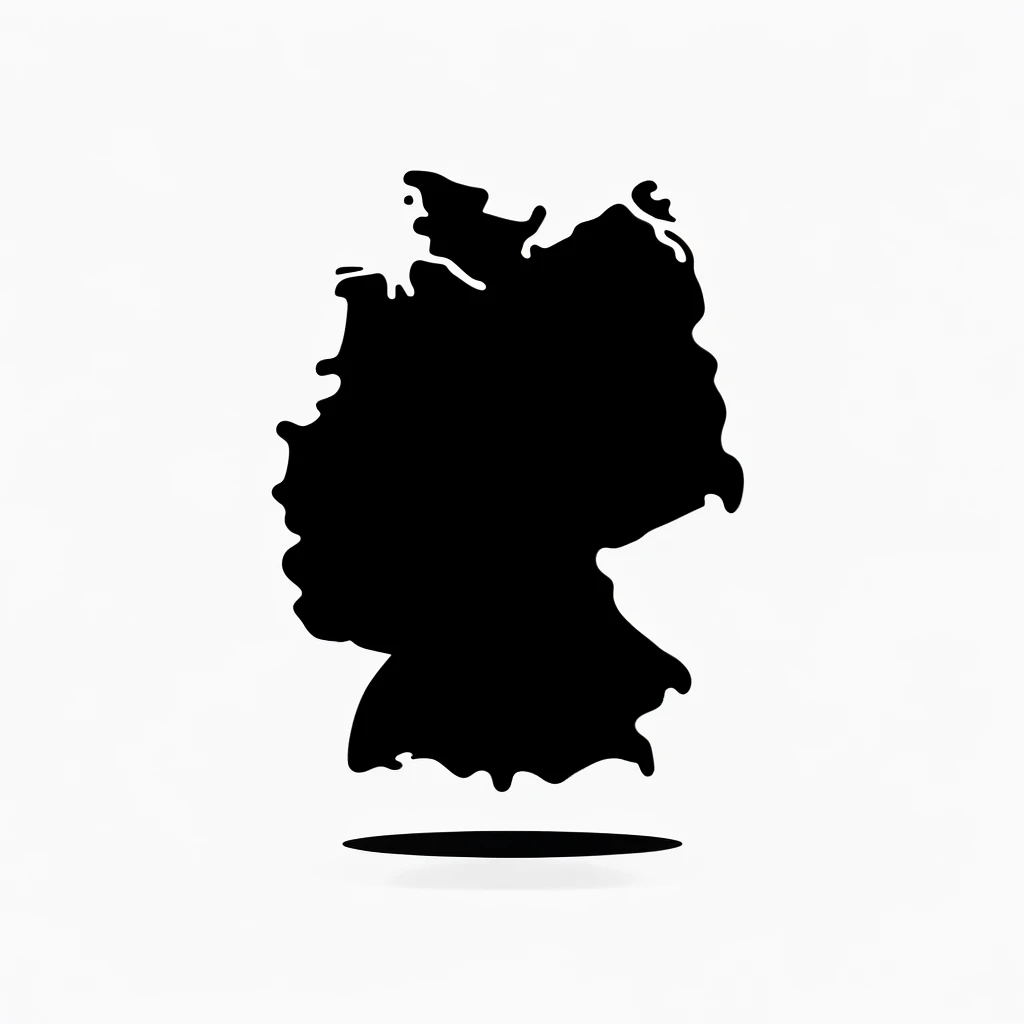
Whether you’re learning the language, traveling the country, or just reading the label on your beer bottle - Deutschland is the German word for Germany. But what’s behind that name, and how does it differ from English?
The noun Deutschland means Germany, the country at the heart of Europe. It’s one of the 1000 most frequently used nouns in German, and it’s used to talk about everything from geography and culture to politics and national identity.
Deutschland is grammatically neuter but normally used without an article: Deutschland, not das Deutschland.
Deutschland is pronounced [ˈdɔʏ̯tʃlant], roughly "DOYTCH-lahnt."
It’s a word that sounds both familiar and unique to English speakers - and it’s built from recognizable parts.
Example sentences:
Hey! Do you know if you can say “das” after “unter”? Can you ever say “gegen dem”? Different question: Do you like post-apocalyptic crowd-runner games?! Well, check out our crazy free game for German learners! No ads, no signup.
Deutschland normally appears without an article. With a modifier, an article may be needed: das geteilte Deutschland (divided Germany), im heutigen Deutschland (in today's Germany).
In certain poetic or formal contexts, you might hear:
In contrast, das Ausland means “abroad” / foreign countries: im Ausland leben - to live abroad.
The examples above use Deutschland without an article; its genitive is Deutschlands. With an adjective, the neuter article pattern is das, das, dem, des.
Variation Station:
Fun linguistic note:
The name Deutschland comes from the Old High German diutisc, meaning “of the people” or “vernacular.” The name combines deutsch and Land. The older adjective diutisc referred to the people's language, distinguishing the vernacular from Latin. That’s also where the modern word Deutsch comes from.
📘 Duden entry: https://www.duden.de/rechtschreibung/Deutschland
Country and place names are a great gateway into broader vocabulary - once Deutschland, Österreich and die Schweiz feel automatic, you stop pausing mid-sentence. If you want to push more words into that automatic zone, try a few minutes of German vocabulary practice a day.
🎥 Learn Deutschland and the rest of the top 1000 German nouns in our free online video course:
Watch the 1000 German Nouns video course
Alternate translations note:
There are no real synonyms for Deutschland, but you may see die Bundesrepublik in legal, political, or news contexts, and Vaterland (fatherland) in patriotic or poetic speech. Just note: Vaterland can sound nationalistic, so use it carefully. In most contexts, plain Deutschland is all you need.
Ready for two more German words of the day? Do you know how to say episode or photo in German?
Free download
Leave your email and I’ll send you a link to the ebook. You’ll also get my occasional German-learning tips. No spam, unsubscribe anytime.


Comments
Loading comments…