

21 December 2025
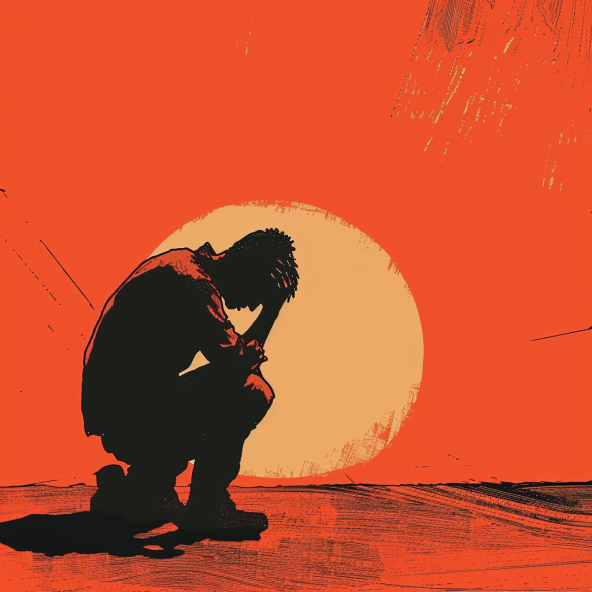
Knowing how to say crisis in German isn’t just for reading headlines - it helps you talk about real life: relationships, work stress, world events, or even just a bad day. It’s a powerful word that appears across all kinds of conversations, both serious and casual.
The word is Krise - pronounced “KREE-zuh,” with a strong, clear KREE like in creepy, and a soft second syllable.
Krise is feminine, so it’s die Krise. The plural is die Krisen. If the gender system still feels confusing, my gender video lesson can help clear it up once and for all.
Krise is one of the 1000 most frequently used nouns in German - because, well, life isn’t always smooth sailing.
Examples in all four cases:
Nominative:Die Krise hat viele Menschen betroffen.The crisis affected many people.
Accusative:Wir überstehen die Krise gemeinsam.We’ll get through the crisis together.
Dative:In der Krise bleiben wir optimistisch.During the crisis, we’re staying optimistic.
Genitive:Die Folgen der Krise sind noch spürbar.The effects of the crisis are still noticeable.
Real-World Tips for Learners
Krise is used for all kinds of serious or turning-point situations, not just big international events. You can have a Krise in your relationship (Beziehungskrise), at work (Karrierekrise), or even a crisis of meaning or purpose (Sinnkrise). An identity crisis is an Identitätskrise.
Common uses include:
eine wirtschaftliche Krise - an economic crisis
eine persönliche Krise - a personal crisis
die Energiekrise - the energy crisis
aus der Krise lernen - to learn from the crisis
eine Krise bewältigen - to overcome a crisis
Ich krieg die Krise! - I’m freaking out! (a very common casual exclamation - and where German Krise differs from English “crisis”)
News headlines, TV shows, and daily conversation all feature this word - and it gives you access to big-picture ideas and intimate storytelling alike.
Beginner dialogue using Krise:
A: Warum warst du so still in letzter Zeit?B: Ich hatte eine kleine Krise, aber jetzt geht es mir besser.A: Why have you been so quiet lately?B: I had a small crisis, but things are getting better.
Now it’s your turn. Think of your answer and say it aloud using Krise.
“Welche Krise hast du in deinem Leben gemeistert - und was hat dir geholfen?”What crisis have you overcome in your life - and what helped you?
Say your answer out loud in German and include Krise in the sentence.
German Word of the DayNow you know how to say crisis in German - and how die Krise helps you communicate real stories, struggles, and resilience.
Download the free illustrated PDF of the 1000 most frequently used nouns in German and grow your vocabulary with impact and emotion.
Ready for more German Words of the Day?Check out Kugel - a surprisingly versatile word with sweet and serious meanings.Or revisit Kuchen - and learn how dessert vocab connects to real conversation.
Free download
Leave your email and I’ll send you a link to the ebook. You’ll also get my occasional German-learning tips. No spam, unsubscribe anytime.


Comments
Loading comments…