

21 December 2025
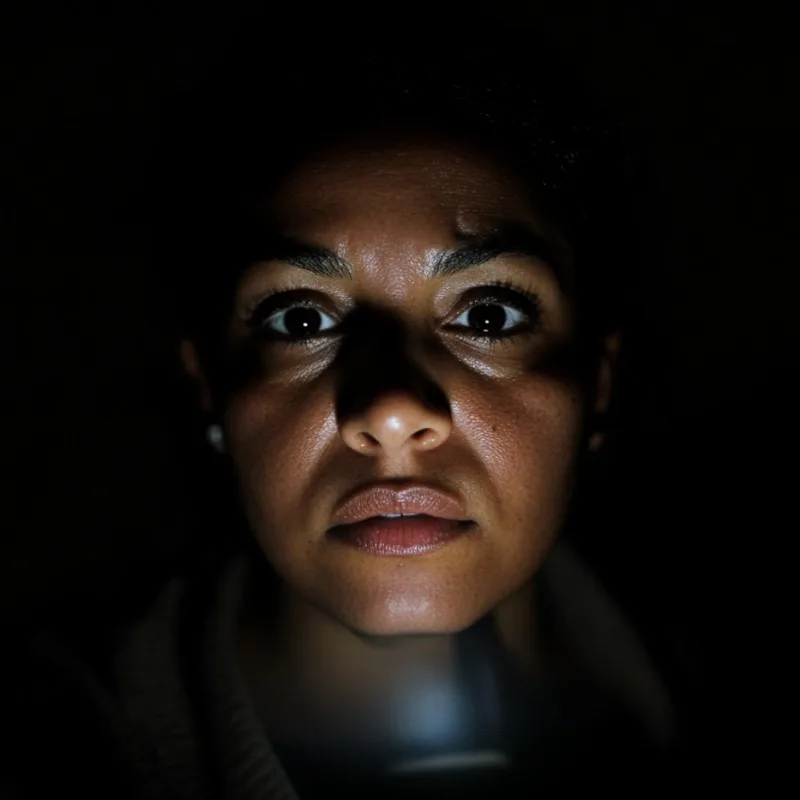
The main German word for “darkness” is “Dunkelheit” (f.), from the adjective “dunkel”, meaning “dark”.
“Düsterkeit” (f.), “Düsterheit” (f.) and (more rarely) “Düsternis” (f.) can be used in the sense of “gloom” and “dreariness”. The adjective is either “duster” or “düster”.
Finsternis (f.) is another word for darkness, often with a strong or literary tone. It is also used in ordinary compounds such as Sonnenfinsternis (solar eclipse). Here the adjective is “finster”.
A related word is “zappenduster”, which essentially means “very/completely dark” and is also used to describe bleak-looking situations. This word is thought to describe the darkness following the “Zapfenstreich”, originally a musical signal indicating the beginning of curfew (or “military tattoo”).
Wir müssen da sein, bevor es dunkel wird. We must be there before dark.
Das ist eine dunkle Farbe. This is a dark color.
Seine Laune ist düster. His mood is gloomy.
Er nennt sich ‘Fürst der Finsternis’. He calls himself “Prince of Darkness”.
Das sind düstere Aussichten. That’s a bleak outlook.
Wenn du das studierst, sieht es beruflich zappenduster aus. If you study that, your career prospects look bleak.
Free download
Leave your email and I’ll send you a link to the ebook. You’ll also get my occasional German-learning tips. No spam, unsubscribe anytime.


Comments
Loading comments…